
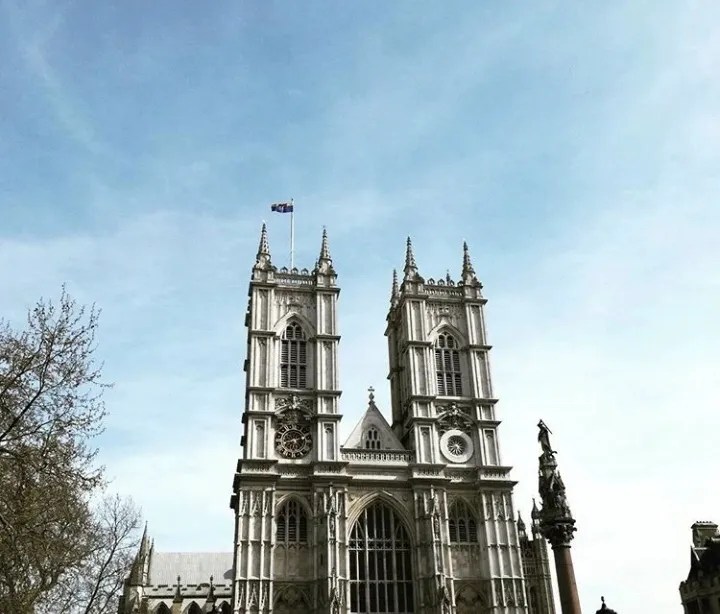
It is London History Day, which means Gilbert Tours has created a Top 10 List of what we think are the most Interesting Events in London History! From tyrannical kings, to the suffragettes, from blazing fires to ice cold winters – this list has it all. So to start our countdown to the number one spot, we kick off with a cold winter’s day…
10) The Thames Frost Fairs. Have you ever been walking along the bank of the River Thames to reach the nearest bridge and wondered if there was an easier way to get to the other side? Well between 1600 and 1814 it wasn’t uncommon for the river to freeze over. This could last for up to two months and was all down to what we now know as the “Little Ice Age”. Britain and much of the Northern Hemisphere were locked into this ice age and many rivers throughout Europe experienced similar “big freezes”. During these times Londoners, resilient as ever, made the most of the extra space and set up the Thames Frost Fair. The first recorded fair was during the winter of 1607/08 and Londoners from Southwark and The City set up shops, pubs, stalls and games on the thickened frozen river. Even Charles II was reportedly seen at the fair in 1677, enjoying a spit-roasted ox no less! The last fair to be recorded was during the winter of 1814/15 when the climate began to warm up. This was the biggest of all the recorded fairs lasting for fives days with thousands of people visiting each day.
9) The Blitz. The bombing raids during WWII would significantly change the landscape of London. The city was subject to heavy bombing by the Germans from September 1940 and would last a total of 57 days. The city had to be rebuilt and many were rehoused in prefabricated homes. The word “prefab” is widely known in London as they were dwellings that could be built off-site and transferred directly to where they were needed. They were used in many parts of the UK but particularly London following the end of WWII. Council housing was then built throughout the city over the
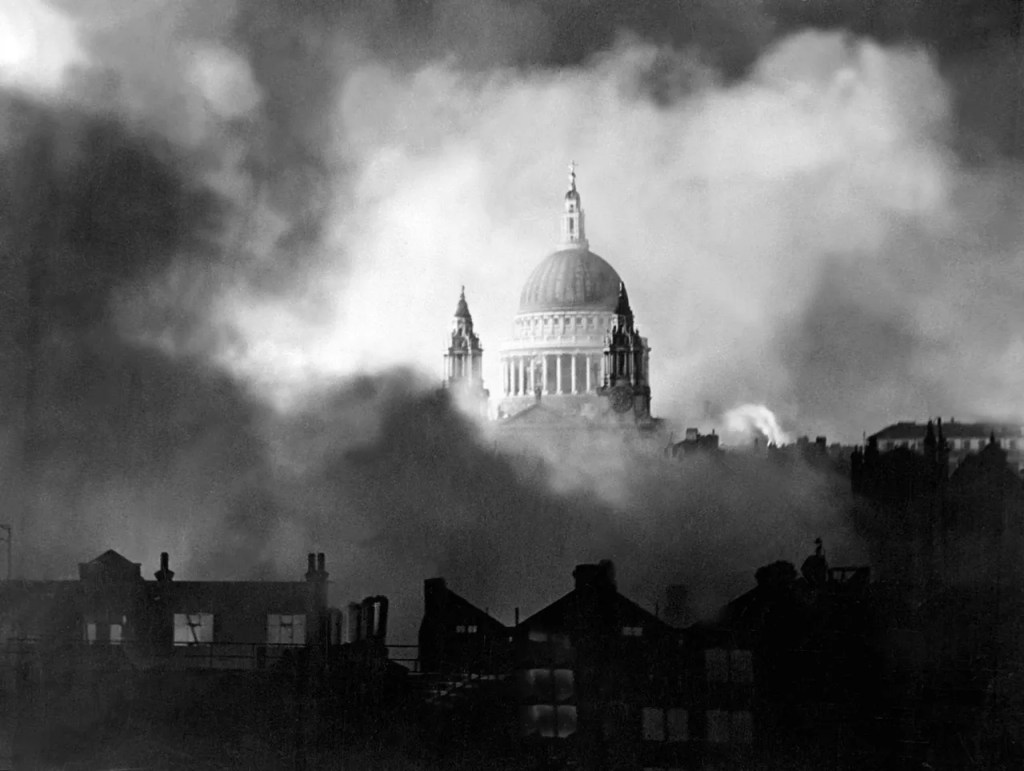
following years. Due to the damage and devastation brought on by the bombings, Roman ruins were discovered under the rubble of which many can be seen around Central London and in the London Mithraeum.
8) The Bubonic Plague. The plague would come back to haunt Londoners over centuries, particularly from 1347-1665. Symptoms started with a fever and chills, followed by flu-like symptoms. This all sounds way too familiar these days, but the similarities (luckily enough for us) end there. The flu symptoms were then followed by cysts called “buboes” that covered the body and then would most often result in a quick death. The first wave of this disease, known as the Black Death, wiped out about half of the city’s population between 1347 and 1351. Nowadays the plague is extremely rare and treatable, but the lasting effects it had on London are long lasting. Many plague pits are scattered around the city, in particular the East End and even as far as the southern part of the Bakerloo Line heading to Elephant and Castle.
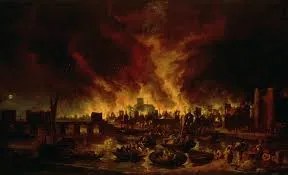
7) The Great Fire of London. In 1666 the loss of nearly 70% of the City of London was due to a fire that started in a bakery on Pudding Lane. The Monument stands at the spot where it began and it spread as far as the end of Fleet Street, stopping at Fetter Lane. In order to stop the spread, houses were demolished to create a barrier. This was done to help preserve the Tower of London that was very nearly damaged. The Medieval St Paul’s Cathedral was completely destroyed, as was most of the old Medieval city. Despite the devastation the fire caused, it killed off the rats and fleas responsible for spreading the plague. The overcrowded streets full of disease and squalor were levelled to the ground and a new city was built. Sir Christopher Wren was given the task of heading the workforce responsible for this rebuild and he had great ideas of creating a “grid-like” street system. This however did not come to fruition and many people rebuilt their houses exactly where they had been before, recreating the higgledy-piggledy narrow streets of the Medieval period that we can still see today. Wooden houses were replaced by brick to help keep the city from succumbing to a similar disaster in the future.
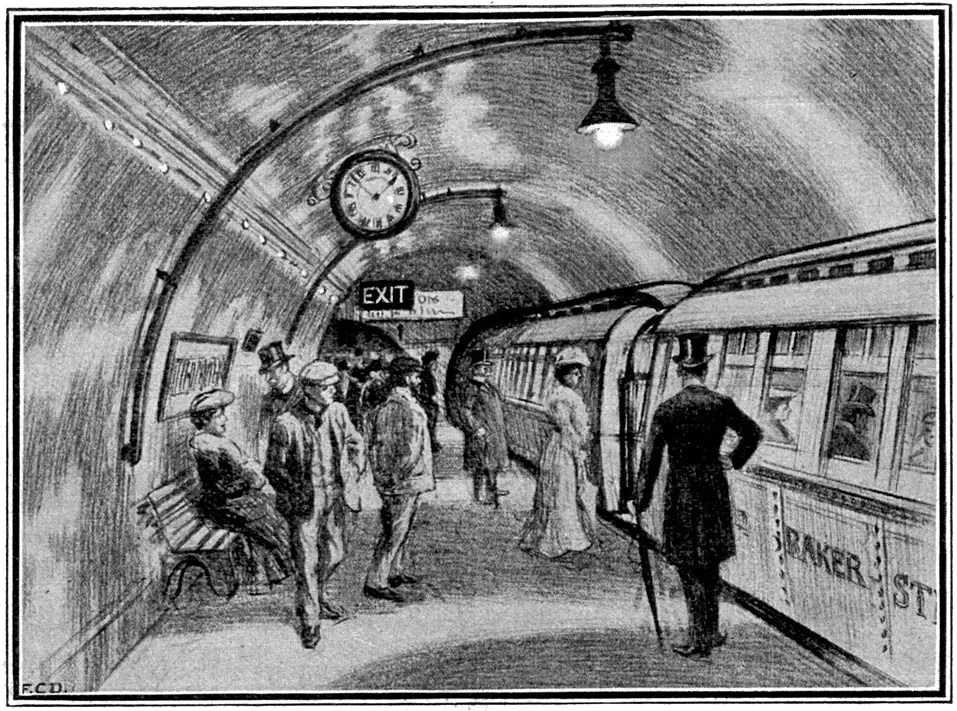
6) The London Underground. The world’s first underground railway system was created in 1863 in London. The Metropolitan Railway was built between what is now Paddington and Farringdon. It has now been developed so much that the London Underground boasts 11 different lines in an intricate network of below ground railways that cities around the world have copied. The Circle Line, opened in 1884 is still in operation today, making it the oldest line on the network.
5) The Empire Windrush. In 1948 the Empire Windrush brought British Citizens from the Caribbean to London which prompted a new way of describing “Britishness”. After WWII the British Government passed the British Nationality Act 1948, which granted the status of Citizen of the United Kingdom and Colonies to all British subjects. HMT Empire Windrush left Jamaica and arrived in London with hundreds of new British citizens. Unfortunately, they did not have any clue or expectation that their arrival would expose them to racially motivated abuse, violence and mistreatment. Racial tensions came to an all time high during the Notting Hill riots in 1958. It was here that the Caribbean community created a safe space in which to celebrate and share their culture and traditions. The Notting Hill Carnival still takes place in the summer every year and the celebrations are one of the most visited events in the London calendar.
4) Emily Wilding Davison Hides in a Broom Cupboard. On the eve of the 1911 census, suffragette and member of the WSPU, Emily Wilding Davison snuck into the Houses of Parliament and hid in a broom cupboard. At this time women were not allowed to cross the line from Westminster Hall into the Houses of Parliament. It was for men only. Therefore illegal for any woman to be there at any time. This is what makes Ms Davison’s idea so satisfyingly genius. As she was inside the building she was able to write on the census “Houses of Parliament” as her address. An epically brilliant idea that has gone down in history. Emily Wilding Davison was fatally wounded at the Epsom Derby in 1913. She ducked under the rail and with her suffragette colours of purple, green and white, she reached up to the reins of George V’s horse presumably to attach the colours, but was knocked down unconscious. The horse was travelling at a speed of nearly 35mph. She died a few days later having never regained consciousness. At her funeral her coffin inscribed with the words “Fight on. God will give the victory.” was followed by five thousand women wearing their suffragette colours followed by hundreds of male supporters.
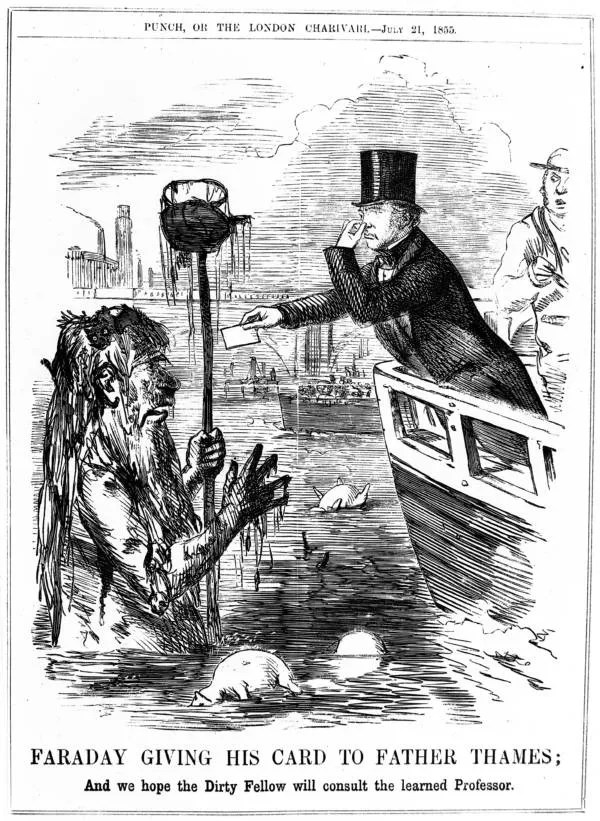
3) The Great Stink of 1858. This delightfully named event occurred in the summer of 1858. It was one of the hottest summers on record with temperatures rising to over 30 degrees centigrade. This heat exacerbated the conditions of the River Thames, at which point was no more than an open sewer, and disease was spreading throughout the city. Parliament were unable to sit due to the terrible stench and so they accepted a proposal made by civil engineer Joseph Bazalgette. He created a system of underground sewage pipes that run under the embankment and out to the drainage and pumping stations out of the city. We have a lot to thank Mr Bazalgette for, the hero of the hour!
2) The Tower of London. This one is not so much an event but a series of events in the Tower of London. Having been built in the time of William the Conqueror, it has seen nearly 1,000 years of Kings and Queens coming and going. I promised you tyrannical kings, and you can’t get much more tyrannical than Henry VIII. He signed the death warrants of many nobles who were executed within the walls of the Tower. He imprisoned two of his wives there and famously had their heads removed; Anne Boleyn and Catherine Howard. His daughter, the future Elizabeth I was also imprisoned there by her own sister Mary I before her ascent to the throne. Mary clearly inheriting her father’s core family values. The Tower has served as an armoury, a prison, a vault for the crown jewels, and a menagerie over the centuries and was where the famous Princes in the Tower went missing during the reign of Richard III. Many mysteries haunt this historical building, and if these walls could talk I’m not sure I would like to hear what they have to say!
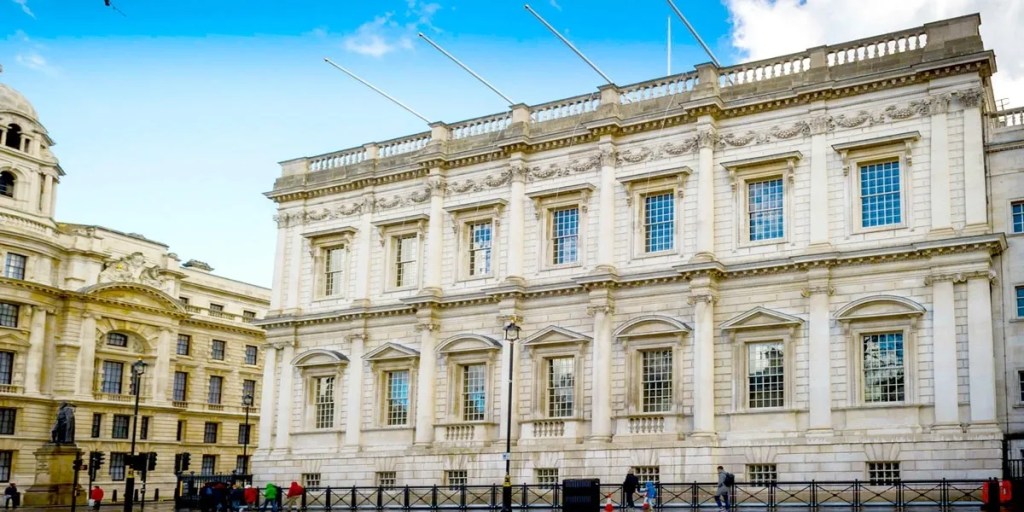
1) Charles I’s Trial and Execution. Another tyrannical king, Charles I hits my top spot in this list as never before or since has a British monarch been tried for treason and subsequently executed. Following the English Civil War, Charles I was imprisoned and brought to trial in London in 1649. He faced trial in Westminster Hall and being a king who believed he was ordained by God to rule his kingdom, he did not accept any higher authority and refused to give any defence. The country was in turmoil following years of opposing sides fighting each other. The Parliamentarians versus the Royalists, or as they are more widely known; The Roundheads and the Cavaliers. Once defeated, Charles was charged with committing treason for waging war against his own people. The country was angry and they wanted justice, but no more than the leader of the Parliamentarians and later Lord Protector, Oliver Cromwell. Ever the pantomime villain, Cromwell didn’t stop until he got the result he so desperately wanted. On the third day of the trial, Charles was brought in to hear that he was found guilty of treason and sentenced to death. Cromwell encouraged 59 men to sign Charles’s death warrant, something that I believe was not an easy thing to do; to sign the death warrant of the anointed King of England. On the 30th of January 1649, Charles I was taken from St James’s Palace to Whitehall where a scaffold had been built outside Banqueting House. It was a cold day and Charles requested a second shirt to stop him from shivering, concerned the public would view it as weakness. He was led to the scaffold and before he knelt down to the block he said “I shall go from a corruptible to and incorruptible Crown, where no disturbance can be.” There were many members of the public to watch the execution that day, one of whom was diarist Phillip Henry who wrote that he heard a moan “as I have never heard before, and desire I may never hear again” from the crowd, many of whom dipped their handkerchiefs in the blood as a memento. Charles I was denied a burial at Westminster Abbey and instead lies alongside Henry VIII and his third wife Jane Seymour in St George’s Chapel, Windsor.
It has been great fun researching these events and I hope you have found them as interesting as I have! If you would like to book a tour with us then please head to the website and go to our bookings page, tours can be booked from June 21st onwards! Until next time, have a wonderful week and check out Gilbert Tours on social media for more information and uploads!
 Gilbert Tours