
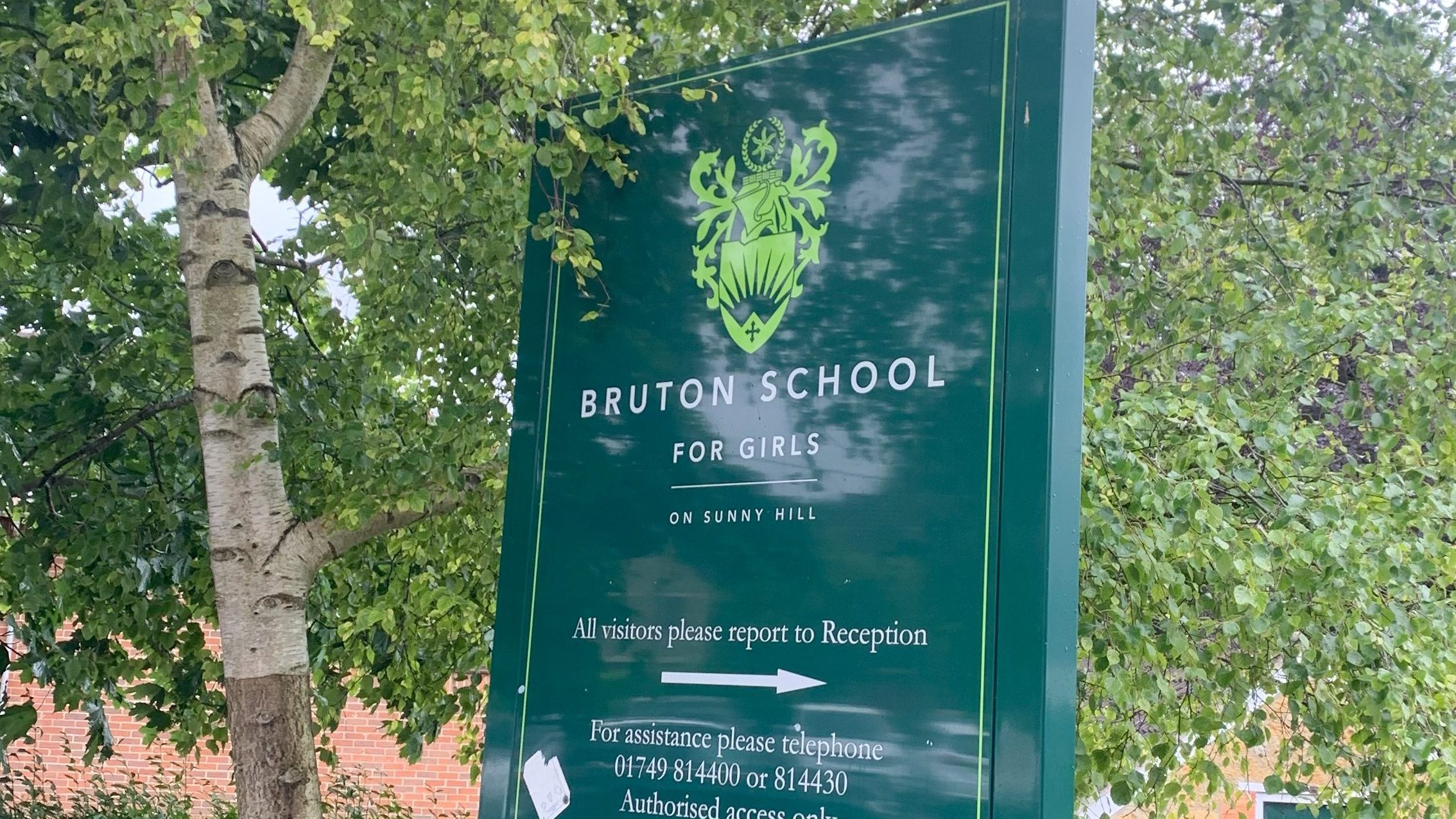
At school we had four houses, Harry Potter style, but our school called them “halls”. Each one was named after a local estate. There was Hadspen, Montacute, Longleat and Stourhead. (I won’t tell you which ones were their Hogwarts counterparts.) I was in the prep school and was in Water, the blue coloured house (originally I was in Wind but for some reason they dissolved that one…) so when I moved up to the senior school I was allocated to the blue hall: Montacute. Now, I’m not saying we were the Gryffindor of Bruton School for Girls, to be honest I think we were more Hufflepuff – I’ve done the online sorting hat – we were creative, kind and hard-working but lacked that competitive edge. But I digress…
These big estates and houses were all within a 30 minute drive from Bruton where the school was. The closest was Hadspen House, walkable from school. In the summer term we would walk through the fields and have picnics on the lawns under the apple trees. Yes it was as idyllic as it sounds; I miss the birdsong and playing stuck-in-the-mud with my friends under the blossom. There is something about Somerset that is particularly magical and as much as I adore London, Downham doesn’t have quite the same feeling! Hadspen House is now the very fancy The Newt in Somerset. Apparently you can’t call it Hadspen anymore which of course I do, it’s an 18th century building with an enormous history and to be honest worth another blog post. But I digress again!
Stourhead, another 18th century gem, is the next closest, the estate is wonderful to explore and once you’ve walked through the woodland you arrive at the lake and The Temple of Apollo can be spotted nestled in the hill. Those of you familiar with Keira Knightley’s performance in “Pride and Prejudice” will recognise this building as the location of Darcy’s first, and rather disastrous, proposal.
The farthest flung from school was Longleat, it’s even in a different county! Longleat is home to the Marquis of Bath and its sprawling grounds that boasts a safari park, maze and enormous playground.
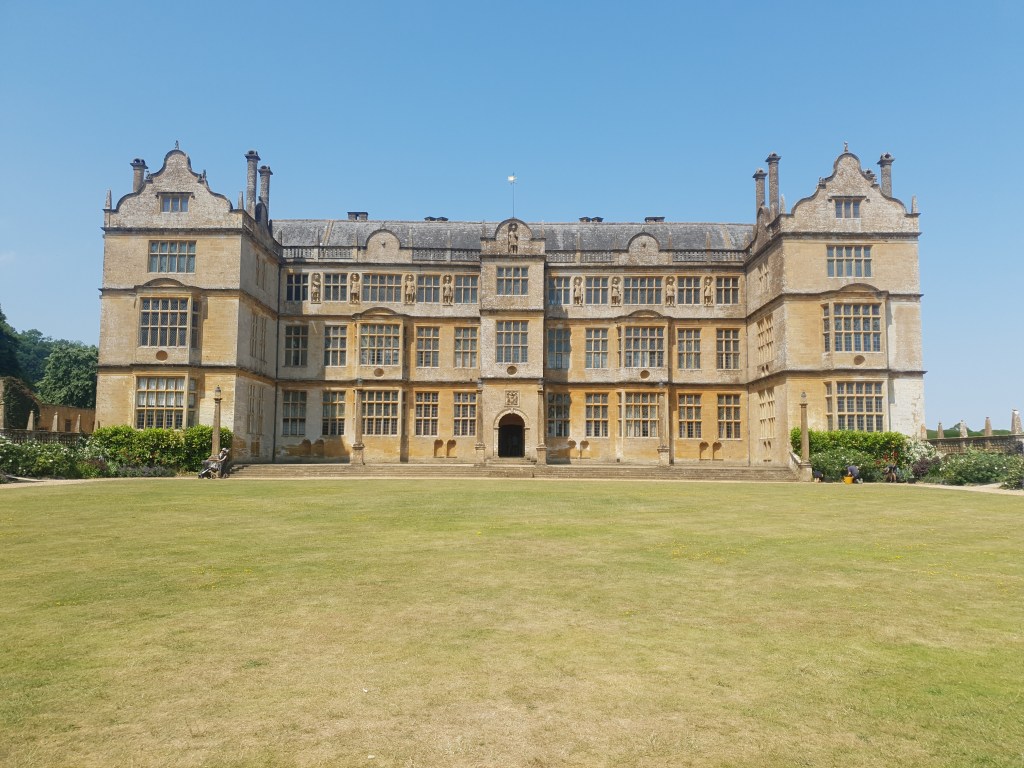
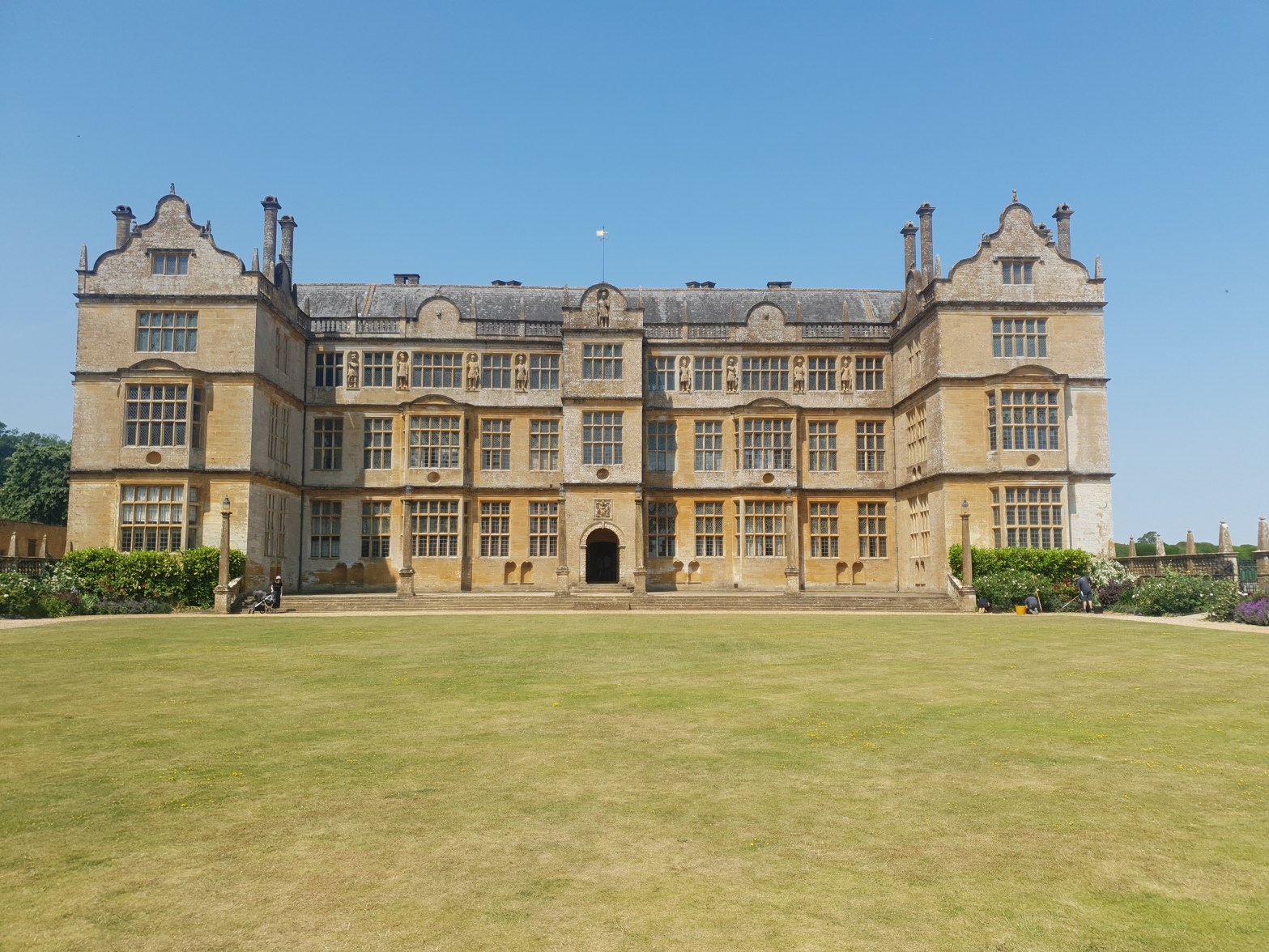
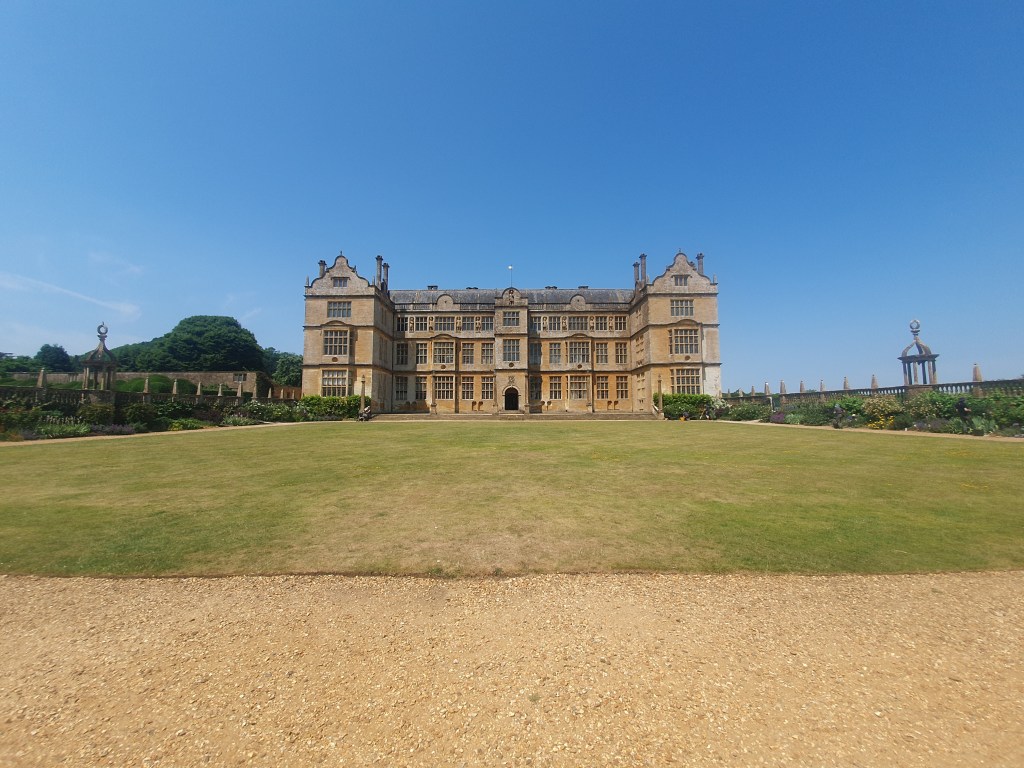
And finally Montacute. Near Yeovil (don’t let that put you off), it is a beautifully preserved Elizabethan mansion that even comes with its own village. The house is one of few houses of the Elizabethan era to survive almost unchanged. The house is maintained by the National Trust so you know you’ll be greeted with a warm welcome and plenty of information. Montacute House was built by Sir Edward Phelips in 1598. The Phelips family had been living in the Montacute area for over a century and had risen from yeoman farmers to wealthy landowners. Sir Edward was a lawyer and worked his way up to the heart of English politics by 1584, he was knighted in 1603 and made Speaker of the House in 1604. He was appointed opening prosecutor during the Gunpowder Plot Trial. Sir Edward died in 1614 and his son Sir Robert inherited. Sir Robert was also in parliament like his father and was MP for a number of constituencies in the West Country. A staunch Protestant, Sir Robert was arrested at Montacute House due to his strong feelings against the Prince of Wales’s betrothal to the Catholic Spanish Infanta and was consequently taken to the Tower of London.
The family remained in parliament for several generations until around the 1850s/60s. William Phelips was the head of the family and struggled with his mental health. He also had a gambling addiction and lost the family fortune. William was incarcerated for his own safety and his son took over the estate in 1875. The family tried their hardest to stay at Montacute House and sold much of the silver and art work, but unfortunately in 1911 they moved out and put the house up for rent. The Phelips family never went back to Montacute. By 1929 the house was uninhabited and was put up for sale. This post-war era meant that many country estates were being sold off and demolished as they were a drain on resources, this life of the landed gentry was no longer sustainable. After a few years lying empty and on the market, Montacute House was sold to Ernest Cook in 1931 who presented it to the Society of the Protection of Ancient Buildings and was subsequently passed to the National Trust. In the 1940s the house was used by American soldiers who were billeted there before the Normandy Landings.
The house itself is immense and absolutely stunning. Surrounded by beautiful gardens, the grounds keepers are always busy working to keep them in tip top condition and are always open to chat. What would have been the original driveway is now pastureland on which cows graze happily. The crowning glory of this house is the long gallery, the largest in England, spanning the whole of the top floor. With Oriel windows at both ends and a continuous wall of glass on the eastern side the room is filled with natural light – something that would have been needed before electricity! Long galleries were a staple feature in 16th and 17th century houses and would be used for entertaining but mostly exercise in bad weather. The young members of the Phelips family would walk their ponies up the stairs and ride them in the gallery. The National Portrait Gallery now use the rooms that lead off the long gallery as exhibition rooms.
The first floor is where the library can be found, formerly known as the Great Chamber. The window depicts the arms of families connected to the Phelipses by marriage. In the 16th century this room would have been the most important room in the house and is the final destination when following the grand staircase. On the ground floor there can be found a wonderful stone screen, it is the first thing visitors see when entering. This would have been the original Great Hall where honoured guests and the family would dine. Over the years this tradition changed and the Great Chamber became the main room for grand entertainment. The layout of the house also changed over the years. The traditional layout in Elizabethan houses would have had no hallways but interconnecting rooms that followed a series of doors. In the later Georgian era it was the style to have the impressive front facade looking over the gardens, so Sir Edward Phelips in around 1787 used stonework from a nearby demolished estate to create a new and ornate front entrance. Today, Montacute House is a popular tourist destination but never feels overcrowded. It is also used as a filming location and is known as being the place where Marianne falls ill in the film adaptation of “Sense and Sensibility” starring Emma Thompson and Kate Winslet.
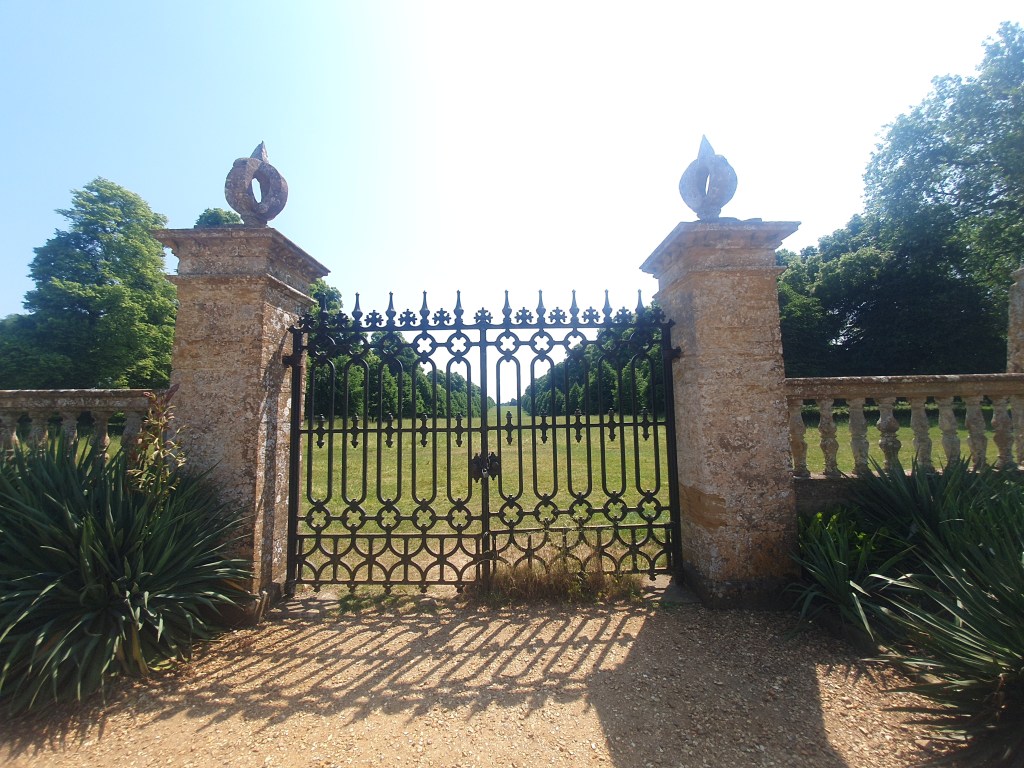
The gardens at Montacute are stunning, the former front entrance looking over the forecourt with twin garden pavilions. The Jacobean style sunken garden was created in the 19th century and comes complete with a wonderfully ornate fountain. The gardens are amazing to explore, especially in the sunshine, and we even found a book shop (with honesty box for payments) in the old coach houses. As with all National Trust properties, there is a little shop and a cafe. The village of Montacute is well worth an explore too with a lovely 12th century church where the Norman chancel arch has been beautifully preserved. Anyone who knows me will know I absolutely love a Norman arch.
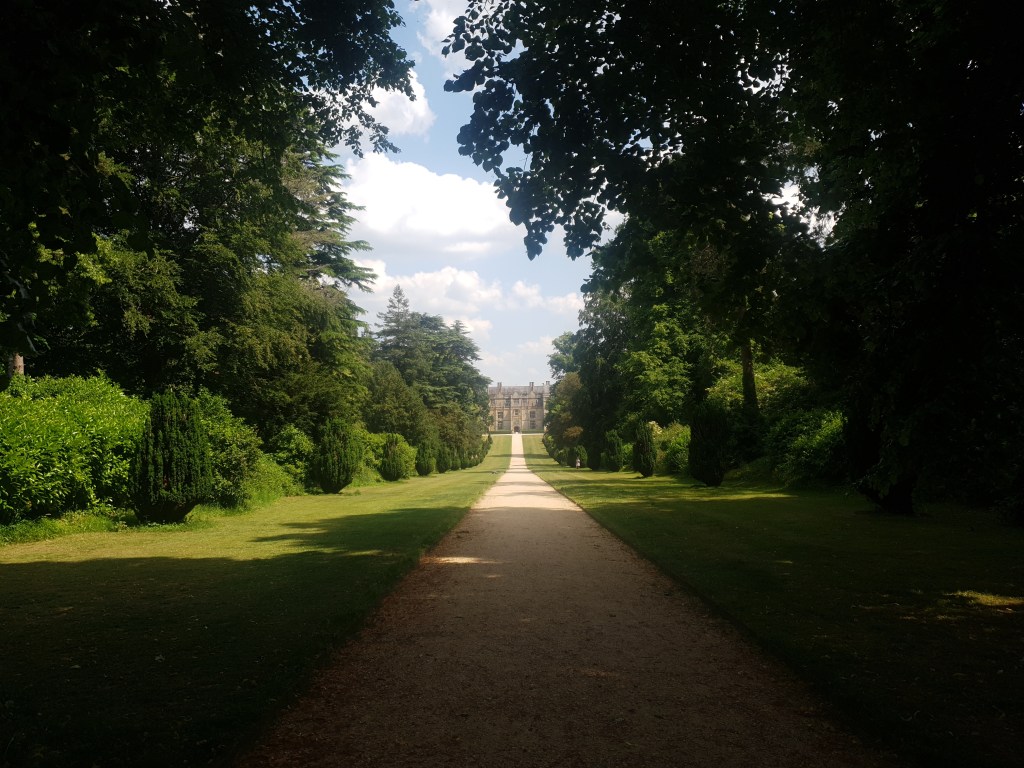
As well as some nice cosy pubs, Montacute is an excellent spot for a day out, complete with a massive playground near the old main gates of Montacute House for those kids in need of a treat after a day of historical culture! So, Is It Worth A Visit…? YES!
 Gilbert Tours