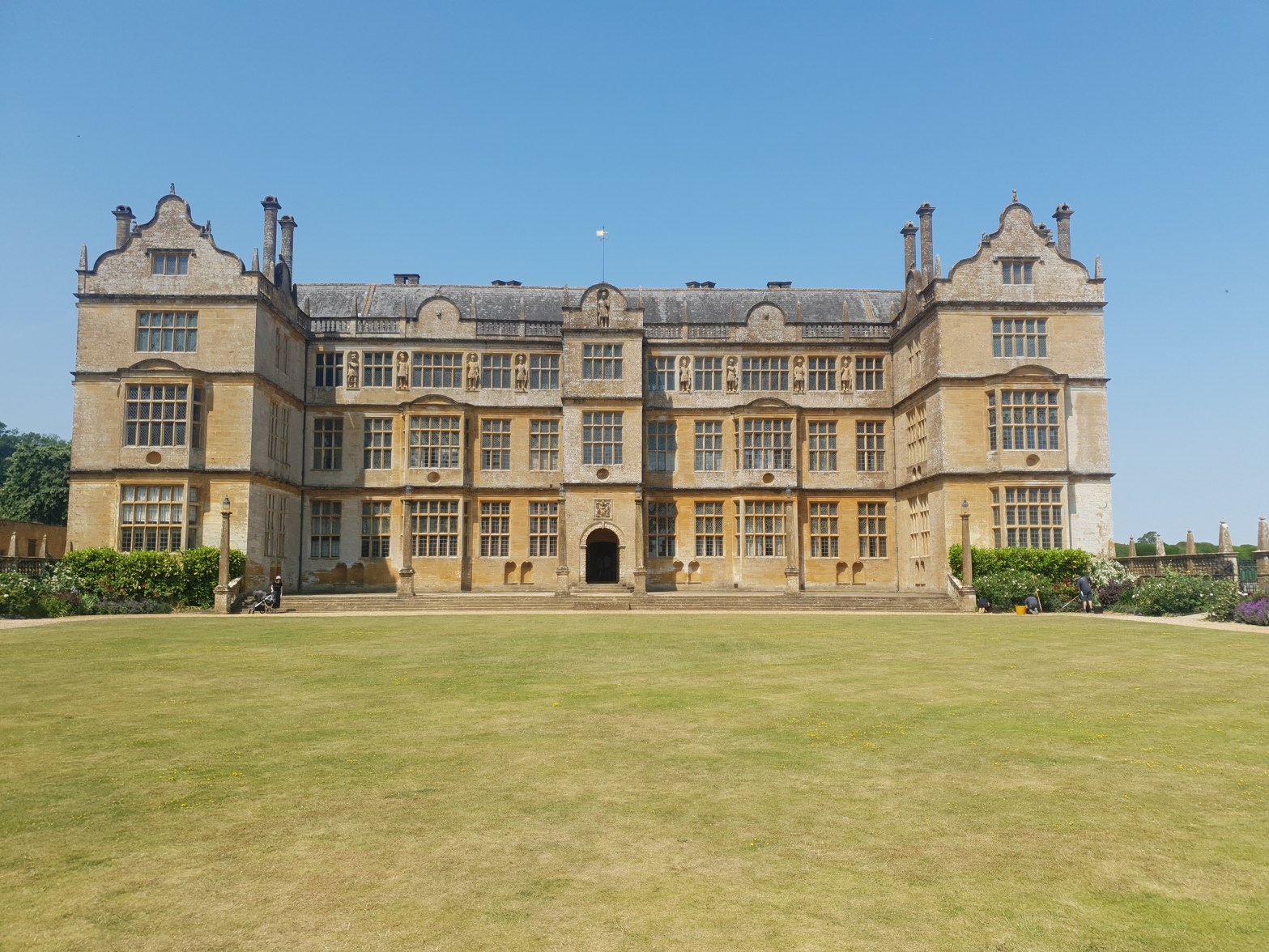
Is It Worth A Visit…? Montacute House and Gardens

At school we had four houses, Harry Potter style, but our school called them “halls”. Each one was named after a local estate. There was Hadspen, Montacute, Longleat and Stourhead. (I won’t tell you which ones were their Hogwarts counterparts.) I was in the prep school and was in Water, the blue coloured house (originally I was in Wind but for some reason they dissolved that one…) so when I moved up to the senior school I was allocated to the blue hall: Montacute. Now, I’m not saying we were the Gryffindor of Bruton School for Girls, to be honest I think we were more Hufflepuff – I’ve done the online sorting hat – we were creative, kind and hard-working but lacked that competitive edge. But I digress…
These big estates and houses were all within a 30 minute drive from Bruton where the school was. The closest was Hadspen House, walkable from school. In the summer term we would walk through the fields and have picnics on the lawns under the apple trees. Yes it was as idyllic as it sounds; I miss the birdsong and playing stuck-in-the-mud with my friends under the blossom. There is something about Somerset that is particularly magical and as much as I adore London, Downham doesn’t have quite the same feeling! Hadspen House is now the very fancy The Newt in Somerset. Apparently you can’t call it Hadspen anymore which of course I do, it’s an 18th century building with an enormous history and to be honest worth another blog post. But I digress again! 

Stourhead, another 18th century gem, is the next closest, the estate is wonderful to explore and once you’ve walked through the woodland you arrive at the lake and The Temple of Apollo can be spotted nestled in the hill. Those of you familiar with Keira Knightley’s performance in “Pride and Prejudice” will recognise this building as the location of Darcy’s first, and rather disastrous, proposal. 

The farthest flung from school was Longleat, it’s even in a different county! Longleat is home to the Marquis of Bath and its sprawling grounds that boasts a safari park, maze and enormous playground. 
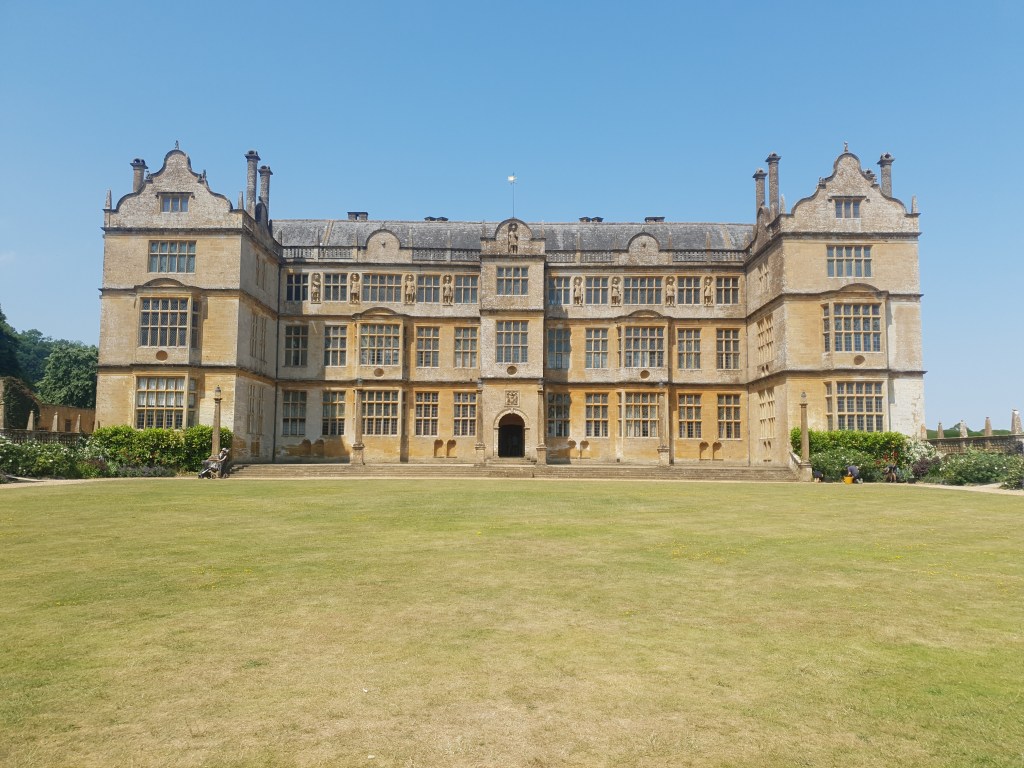
And finally Montacute. Near Yeovil (don’t let that put you off), it is a beautifully preserved Elizabethan mansion that even comes with its own village. The house is one of few houses of the Elizabethan era to survive almost unchanged. The house is maintained by the National Trust so you know you’ll be greeted with a warm welcome and plenty of information. Montacute House was built by Sir Edward Phelips in 1598. The Phelips family had been living in the Montacute area for over a century and had risen from yeoman farmers to wealthy landowners. Sir Edward was a lawyer and worked his way up to the heart of English politics by 1584, he was knighted in 1603 and made Speaker of the House in 1604. He was appointed opening prosecutor during the Gunpowder Plot Trial. Sir Edward died in 1614 and his son Sir Robert inherited. Sir Robert was also in parliament like his father and was MP for a number of constituencies in the West Country. A staunch Protestant, Sir Robert was arrested at Montacute House due to his strong feelings against the Prince of Wales’s betrothal to the Catholic Spanish Infanta and was consequently taken to the Tower of London. 

The family remained in parliament for several generations until around the 1850s/60s. William Phelips was the head of the family and struggled with his mental health. He also had a gambling addiction and lost the family fortune. William was incarcerated for his own safety and his son took over the estate in 1875. The family tried their hardest to stay at Montacute House and sold much of the silver and art work, but unfortunately in 1911 they moved out and put the house up for rent. The Phelips family never went back to Montacute. By 1929 the house was uninhabited and was put up for sale. This post-war era meant that many country estates were being sold off and demolished as they were a drain on resources, this life of the landed gentry was no longer sustainable. After a few years lying empty and on the market, Montacute House was sold to Ernest Cook in 1931 who presented it to the Society of the Protection of Ancient Buildings and was subsequently passed to the National Trust. In the 1940s the house was used by American soldiers who were billeted there before the Normandy Landings. 
The house itself is immense and absolutely stunning. Surrounded by beautiful gardens, the grounds keepers are always busy working to keep them in tip top condition and are always open to chat. What would have been the original driveway is now pastureland on which cows graze happily. The crowning glory of this house is the long gallery, the largest in England, spanning the whole of the top floor. With Oriel windows at both ends and a continuous wall of glass on the eastern side the room is filled with natural light – something that would have been needed before electricity! Long galleries were a staple feature in 16th and 17th century houses and would be used for entertaining but mostly exercise in bad weather. The young members of the Phelips family would walk their ponies up the stairs and ride them in the gallery. The National Portrait Gallery now use the rooms that lead off the long gallery as exhibition rooms. 
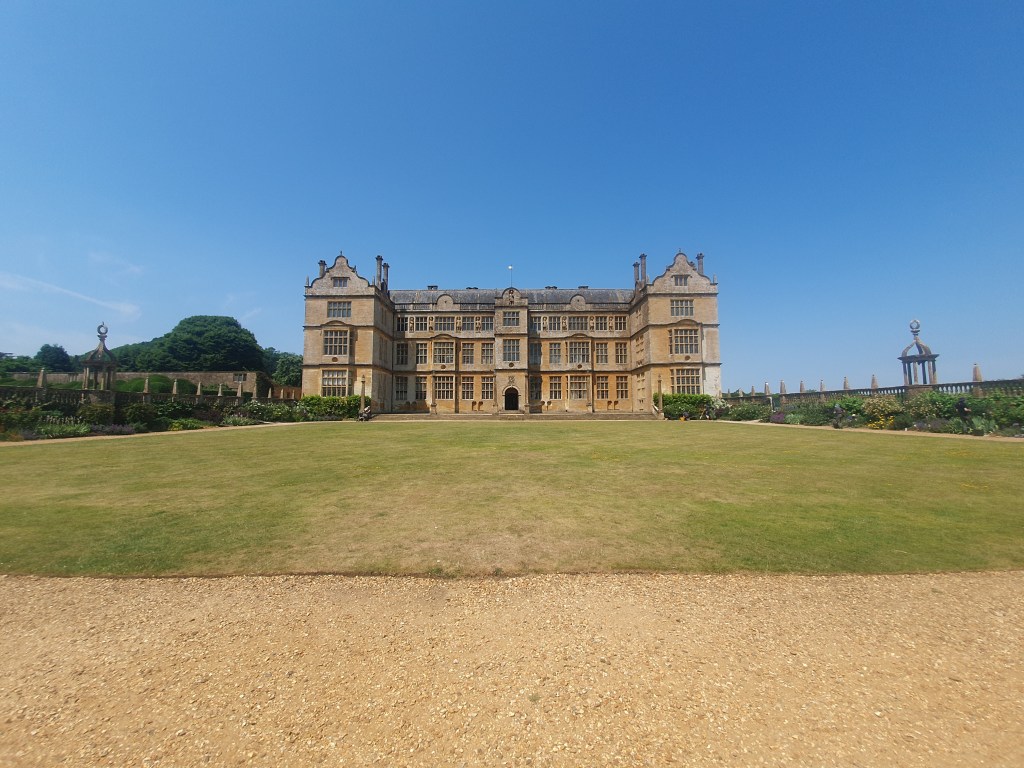
The first floor is where the library can be found, formerly known as the Great Chamber. The window depicts the arms of families connected to the Phelipses by marriage. In the 16th century this room would have been the most important room in the house and is the final destination when following the grand staircase. On the ground floor there can be found a wonderful stone screen, it is the first thing visitors see when entering. This would have been the original Great Hall where honoured guests and the family would dine. Over the years this tradition changed and the Great Chamber became the main room for grand entertainment. The layout of the house also changed over the years. The traditional layout in Elizabethan houses would have had no hallways but interconnecting rooms that followed a series of doors. In the later Georgian era it was the style to have the impressive front facade looking over the gardens, so Sir Edward Phelips in around 1787 used stonework from a nearby demolished estate to create a new and ornate front entrance. Today, Montacute House is a popular tourist destination but never feels overcrowded. It is also used as a filming location and is known as being the place where Marianne falls ill in the film adaptation of “Sense and Sensibility” starring Emma Thompson and Kate Winslet. 

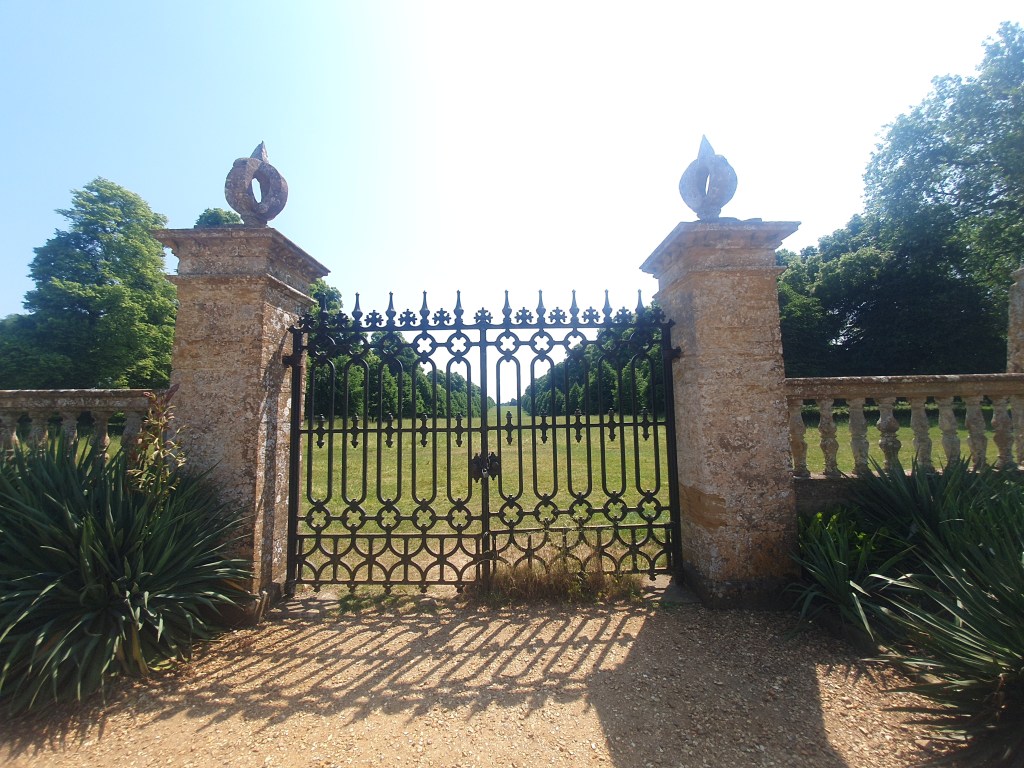
The gardens at Montacute are stunning, the former front entrance looking over the forecourt with twin garden pavilions. The Jacobean style sunken garden was created in the 19th century and comes complete with a wonderfully ornate fountain. The gardens are amazing to explore, especially in the sunshine, and we even found a book shop (with honesty box for payments) in the old coach houses. As with all National Trust properties, there is a little shop and a cafe. The village of Montacute is well worth an explore too with a lovely 12th century church where the Norman chancel arch has been beautifully preserved. Anyone who knows me will know I absolutely love a Norman arch. 
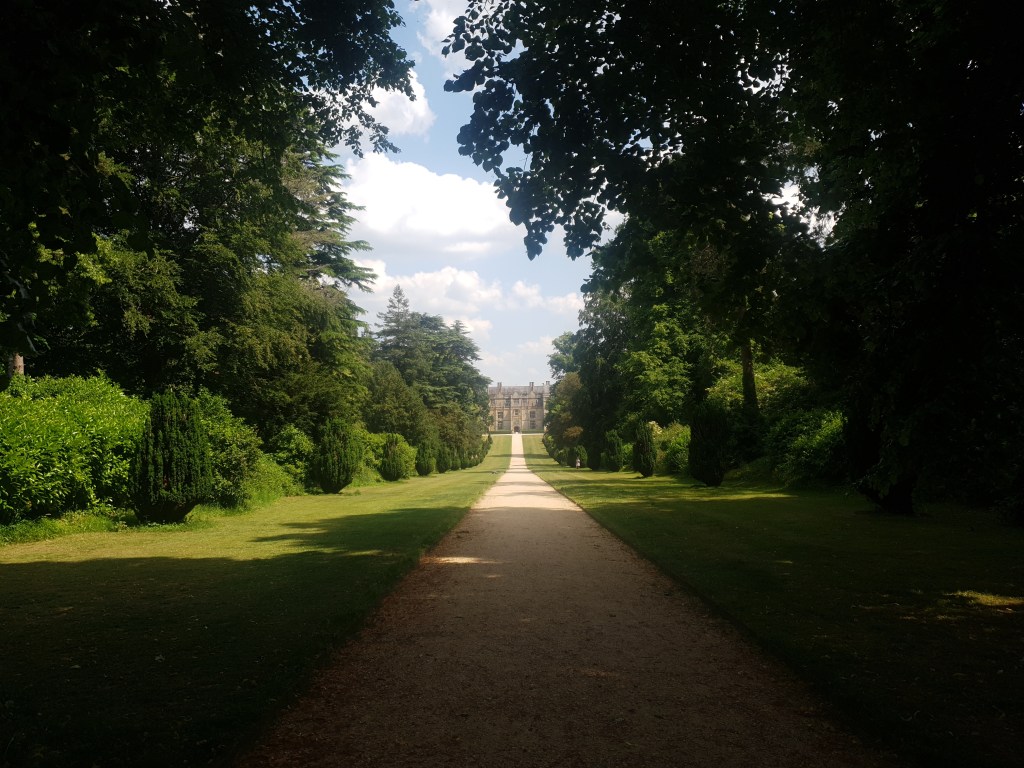
As well as some nice cosy pubs, Montacute is an excellent spot for a day out, complete with a massive playground near the old main gates of Montacute House for those kids in need of a treat after a day of historical culture! So, Is It Worth A Visit…? YES!
Ghost Stories: Halloween Special

I’ve always loved a ghost story. Ever since I was a girl I’ve loved sitting with my friends in a dark room sharing our scariest tales. Ghost stories have an ability to totally capture the imagination, and what can be truly unsettling is the possibility that it could be real. There are plenty of stories that are quite clearly a load of cobblers, stories that have been passed down from one generation of teenage girls to another. We all know the story of the blood dripping from the ceiling and the sound of the footsteps coming up the stairs. “Georgie, I’m on the first step. Georgie, I’m on the second step”, for instance. But it’s the ones that come from people’s actual experiences that interest me the most. 

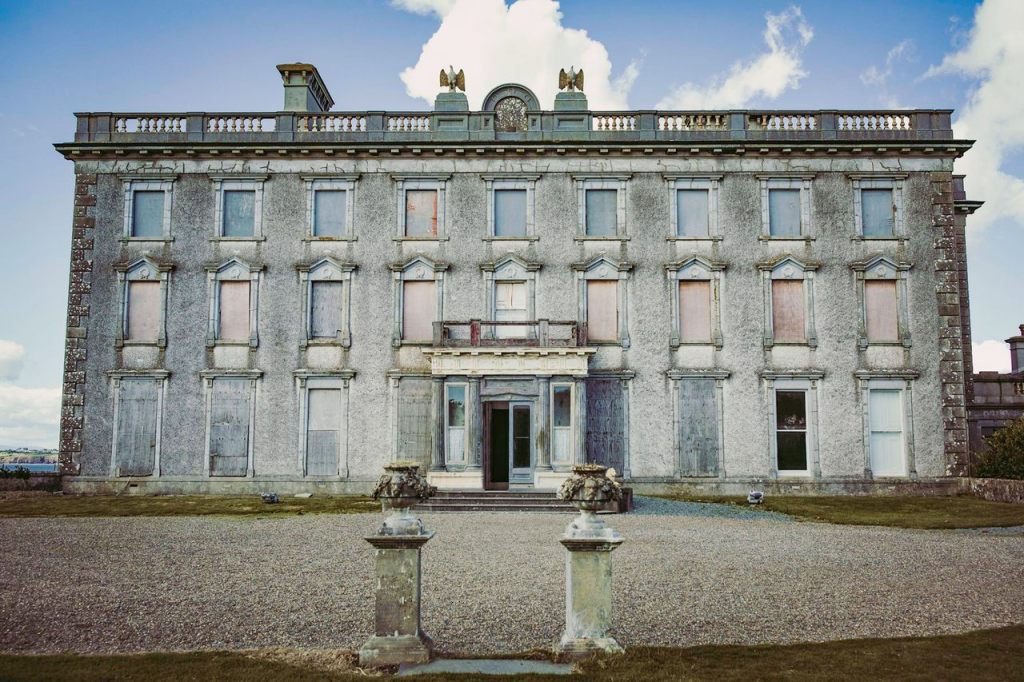
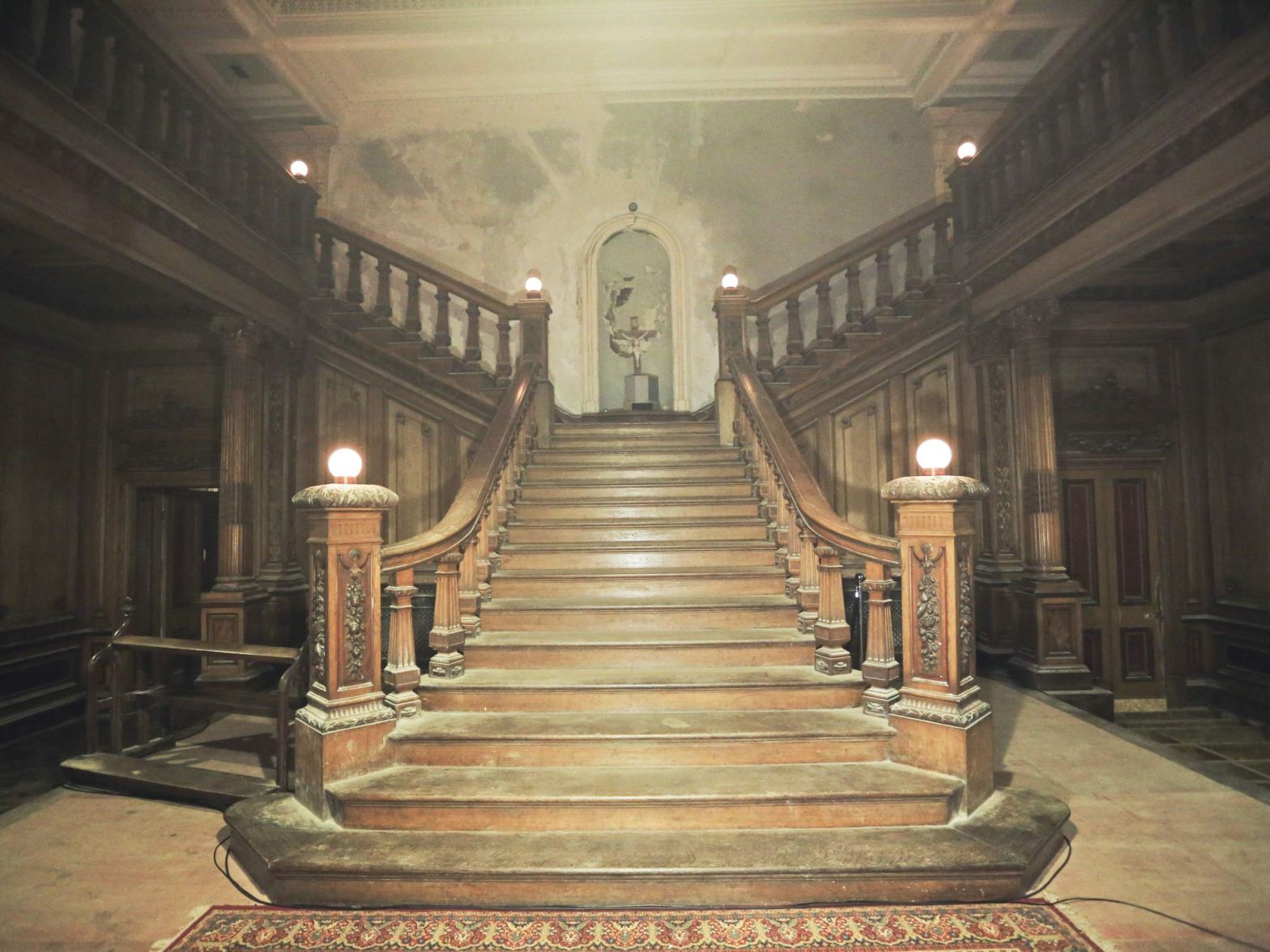
I used to live in Ireland and I’d go to visit friends of the family who lived in Wexford every so often. They used to take me to Hook Head, a wonderful part of the world with a beautiful lighthouse and sea views that would knock your socks off. On the way, however, we would have to drive past Loftus Hall. Even the name of the place gives me the shivers. I have added a picture of it here but I can’t put into words (unfortunate for a blog) how it evokes such a sense of unease as you pass it from the road. It’s the kind of place you don’t want to look at in case of what you might see lurking behind a window, but you can’t take your eyes off it. 

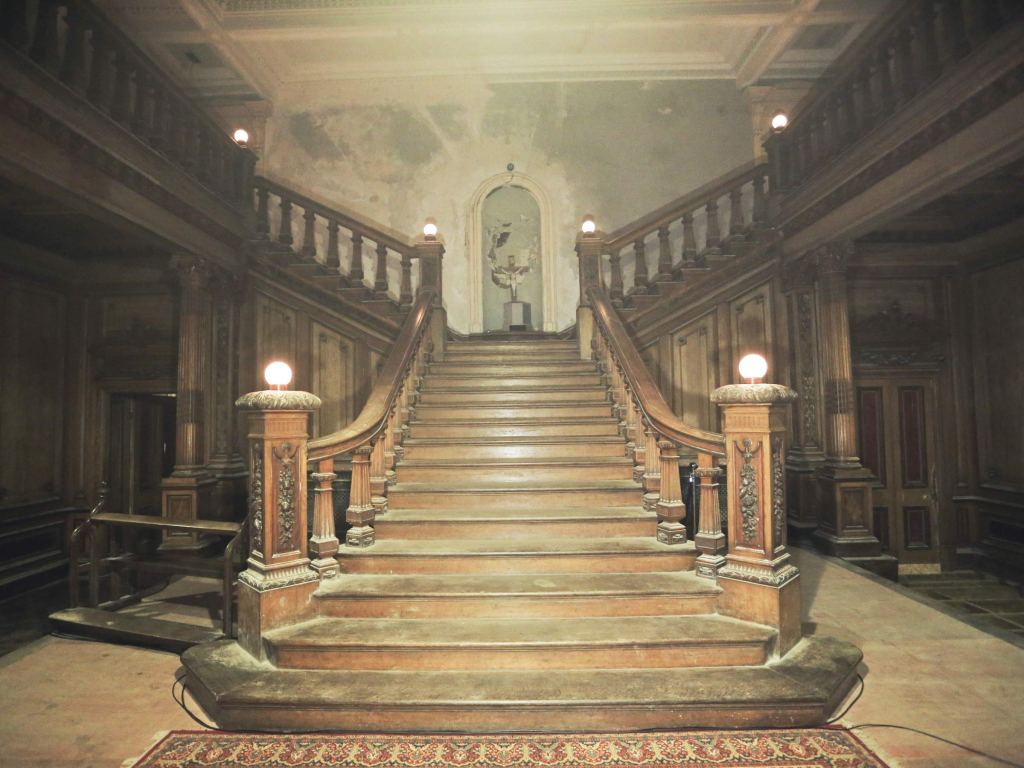
Loftus Hall stands on the Hook Peninsula in Wexford, Ireland and was originally built in 1350. The house has since been renovated and modernised and is now a glorious 18th Century hall with large, high ceilinged rooms and a majestic staircase in the centre. Hauntings at the hall have been talked of since the 18th century and the most famous one to have stuck happened in 1775. The Tottenham family owned the hall at the time and one night during a storm, not uncommon in this part of the country, there was a knock at the door. This was not a surprising event, the private strip of shoreline owned by the family was often used as a safe landing haven for passing sailors during a storm. The stranger was let in out of the wind and rain and given a room to use for as long as he needed. The daughter of the family, Lady Anne Tottenham, took an interest in this mysterious gentleman and he became quite taken with her. One evening, they were sitting down to play cards when Lady Anne accidentally dropped one of hers on the floor. She bent down to pick it up and as she did so glanced under the table to see something that shocked her to her core. 

The stranger sitting opposite her did not possess a pair of human legs, but cloven hooves. She screamed in terror as the stranger launched himself upwards and shot through the ceiling and through the roof into the storm clouds forming a hole in the roof that could never be fully repaired. As he disappeared a huge clap of thunder erupted and a cloud of smoke was left behind, along with the distinct aroma of sulphur, a tell-tale sign of the presence of the devil. Lady Anne never recovered from the incident and died shortly after. It is said that her spirit still wanders the halls. Loftus Hall has changed hands many times since it was built, it even served as a convent for over thirty years. It has now been sold to be turned into a luxury hotel. I doubt if it will ever shake the feeling felt by many who have stepped foot inside – that you never feel quite alone at Loftus Hall.

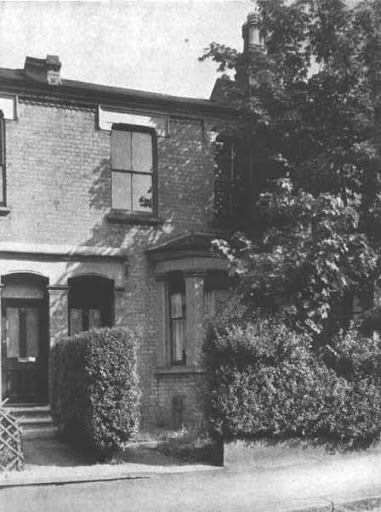
I listen to many podcasts that work on the theme of ghost stories. One of my favourites is written and presented by Danny Robbins who is a sceptic. One story that came across his desk was too long and involved for just one episode so he created a whole series and had the story dramatised to support his investigation. With interviews from witnesses and from the members of the family who experienced the happenings first hand, the series pulls you in and sends chills down your spine. It is called The Battersea Poltergeist and you may already be familiar with the story. The Hitchings family live at number 63 Wycliffe Road in London. An ordinary, quiet South London street that became famous in 1956 as the home of a poltergeist and of one of Britain’s strangest hauntings. 

It is a long story – hence the whole podcast series – but the whole story began with a key. A small silver key appeared on Shirley Hitchings bed. Shirley was the 15 year old daughter of the family living at number 63 Wycliffe Road, her father Wally tried the key in every lock in the house but it didn’t fit. The same night this key appeared the spirit, who became known as “Donald” by the family, started to communicate firstly through tapping sounds that over time grew into noises that were reminiscent of the Blitz. Over the weeks that followed the family were taunted by scratching noises from inside the furniture stopping everyone inside the house from being able to sleep. Eventually the spirit’s communication manifested in hand-written notes, moving furniture and even setting objects on fire. Neighbours even witnessed Shirley being levitated above her bed. Seeing the story in the newspapers a physical researcher named Harold Chibbett introduced himself to the Hitchings family to investigate the phenomena. Over the years that followed, Donald made many claims about his true identity and even hinted he was a lost French prince who escaped captivity during the French Revolution. Whatever the true story is, it’s a really interesting podcast and well worth a listen. 

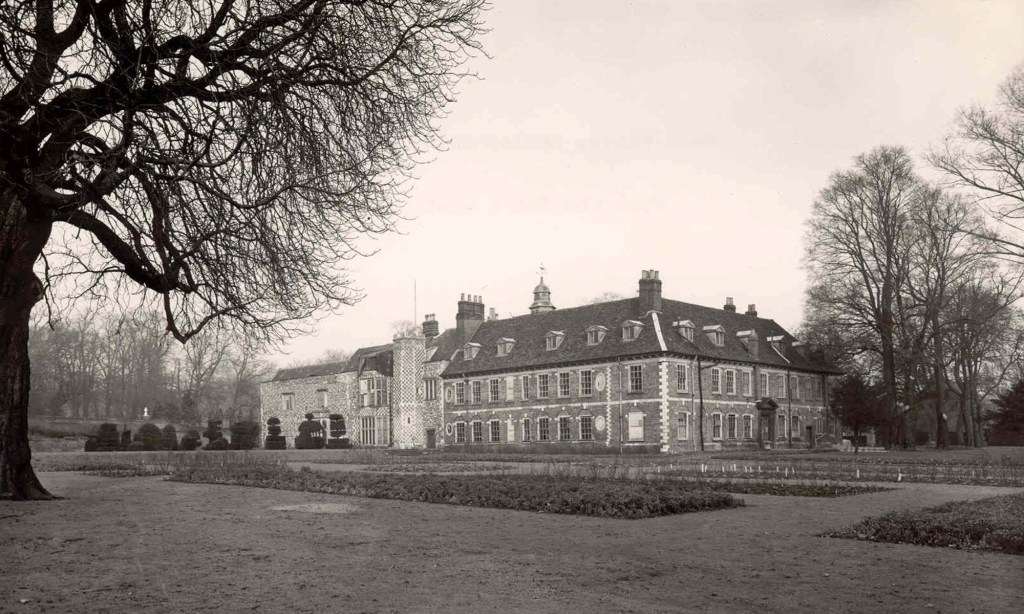
The last story I want to talk about comes from Hall Place in Bexley. A beautiful sixteenth century stately home built for Sir John Champneys, Hall Place has been the backdrop for many ghostly manifestations. The house has a tower that has reportedly been sealed off and the staircase removed by a former owner to “stop the ghost from coming down”. It seems that this did not work. Hauntings include a woman wearing white who wanders the halls near the tower weeping and wringing her hands, a servant girl searches the attics for a lost child and music can be heard coming from the empty minstrel’s gallery. Lady Limerick, the last owner of Hall Place until her death in 1943, would phone the local police in the middle of the night when the “ghosts became too troublesome” to ask for an officer to stand guard. Hall Place is open to the public and is actually a wonderful day out. I have been a few times and they have exhibitions to see as well as the house and grounds.

That is all from me for now. If you hear anything going bump in the night – I’m sure it’s just the pipes….

“Is It Worth a Visit?”: Blenheim Palace

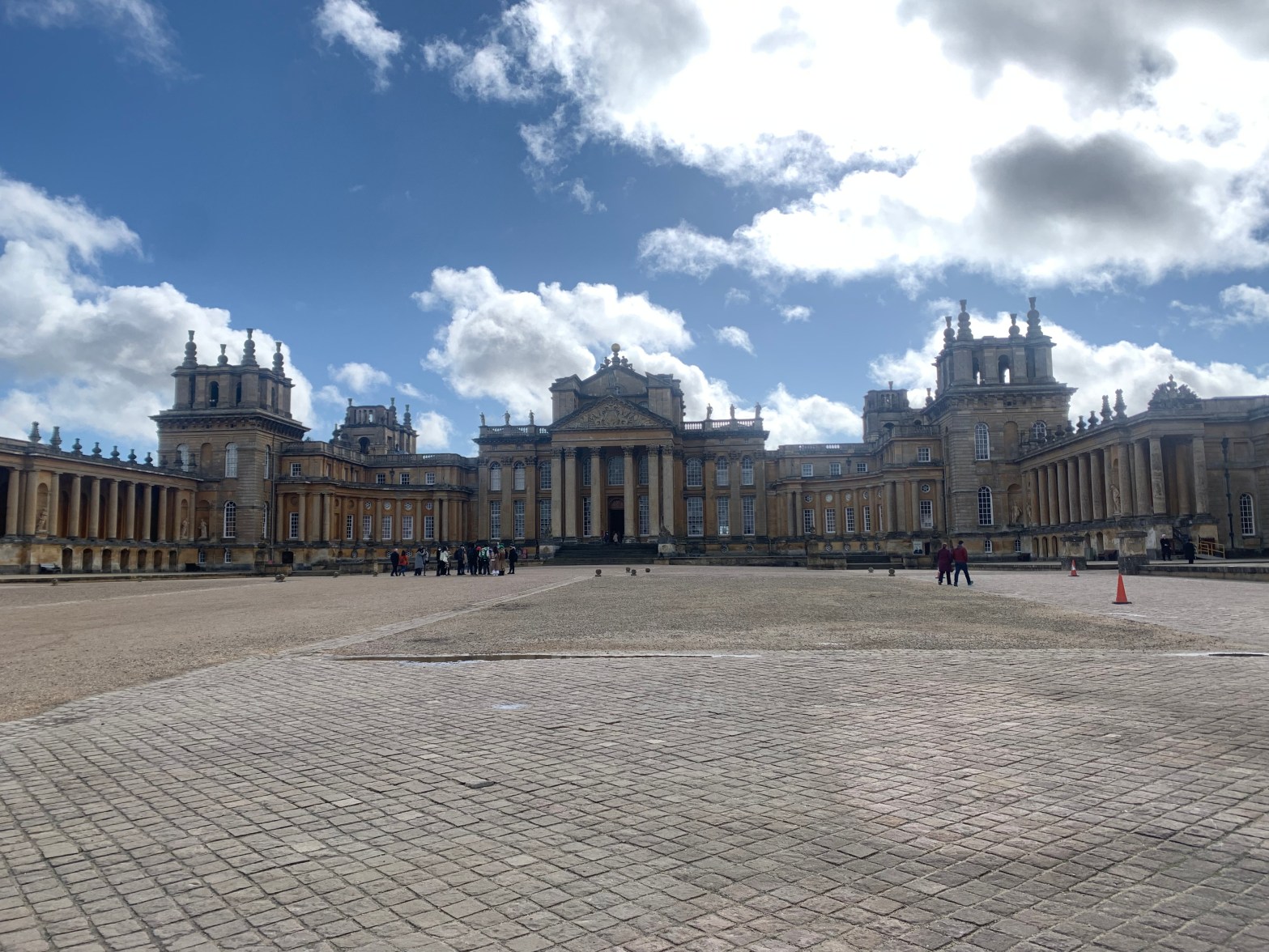
Last Saturday we went to my cousin’s 50th birthday party in Oxfordshire (Happy Birthday, Sophie!) and we decided to spend the whole weekend there. My brother and his wife have two children and my nephew is the same age as Rory – literally, he is two days older – so Henry and I took the two boys to Blenheim Palace for an adventure! We were staying in a beautiful Airbnb about 10 minutes away, so we were in the perfect location for a gentle drive through the Cotswolds! There is a beautiful entrance that leads up to the old coach houses and the side of the palace. It cost £19.50 per adult for tickets to the gardens only, and although that sounds a bit steep, it was definitely worth it as there was so much to see and so much space for the boys to play in. This included a miniature train and an adventure playground! All very exciting.

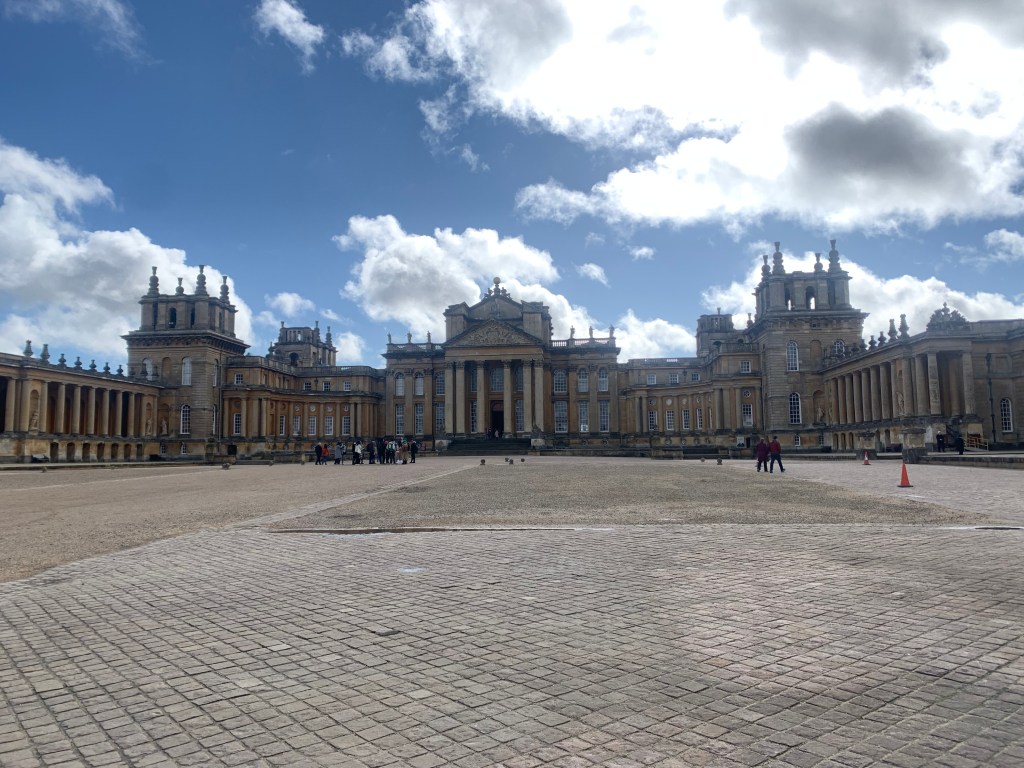
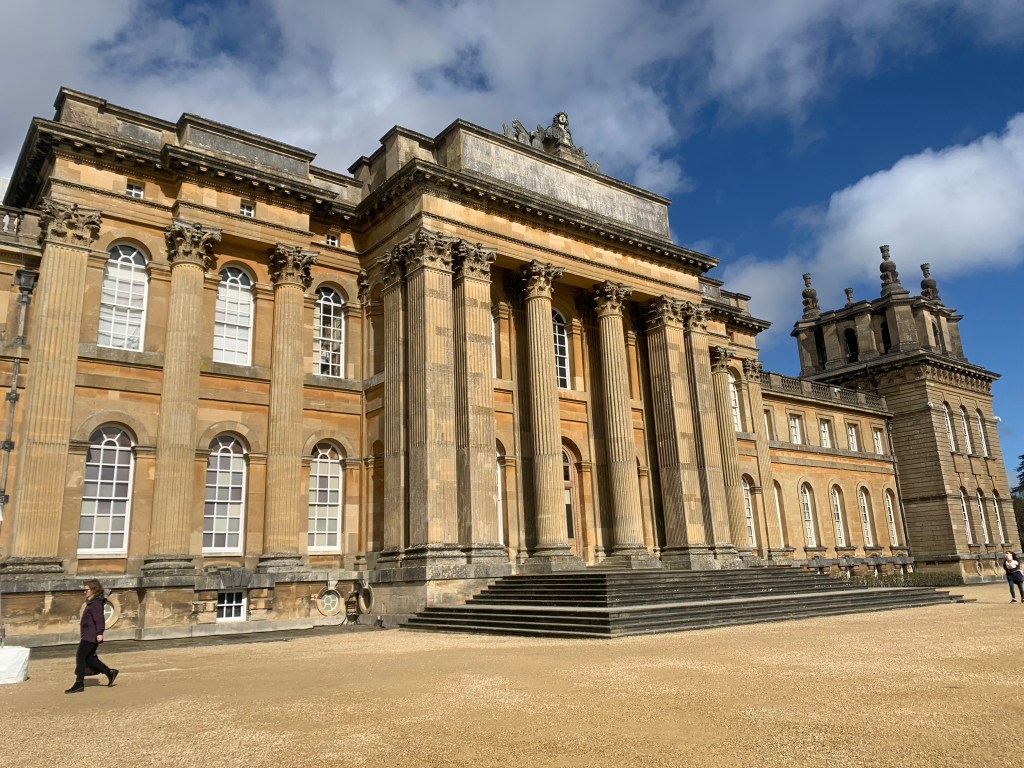
Great Court, Blenheim Palace. GG.

My favourite part of any visit anywhere is the first look at the buildings, and with Blenheim it’s a slow build-up of exquisite architecture. Even as you drive through the main entrance you are faced with the Hensington Gates, added by Nicholas Hawksmoor in 1709. Hawksmoor had recently worked with dramatist Sir John Vanbrugh (a fledgling architect) on the first stages of the flamboyantly Baroque styled Castle Howard in Yorkshire which was one of the first examples of this style in England. The Earl of Marlborough, John Churchill, was rewarded with a new mansion by Queen Anne for his triumphs against the French and Bavarians during the War of the Spanish Succession and because of his many victories he was elevated from Earl to Duke and given land which was named after the Battle of Blenheim. The Queen gave the land to the Duke and his wife and she helped with the build financially which officially started in 1705. The Duchess of Marlborough, Sarah Churchill, was a close friend and confidante of Princess Anne and was appointed the role of Her Majesty’s Mistress of the Robes when Anne became Queen.

Although the palace was being built with some money given by Queen Anne, there were many disputes with payment. The Duke had contributed £60,000 to the initial costs of building. This amount was supplemented by parliament so really the building should have been a monumental house. The country felt that it was them who were fitting the bill which made the Marlboroughs very unpopular and in turn it led to accusations of extravagance and the building’s impractical design. By 1711 £220,000 (which is – at a very rough estimate – about £55,000,000 in today’s money) had been spent and £45,000 was still owed to the workers. The Duchess and the Queen had a very tumultuous relationship and they fell out often. They had one final argument which was never reconciled and funding from the Crown stopped. This forced the Marlboroughs into exile and they did not return to England until the day after the Queen’s death in 1714. Most of the blame for the build-up of debts fell on Vanbrugh and the Duchess did nothing to squash the criticism as she had wanted a different architect to take on the project. Spitefully, the Duchess only made the rumours of Vanbrugh’s relentless grandiose ideas worse and his career never recovered.

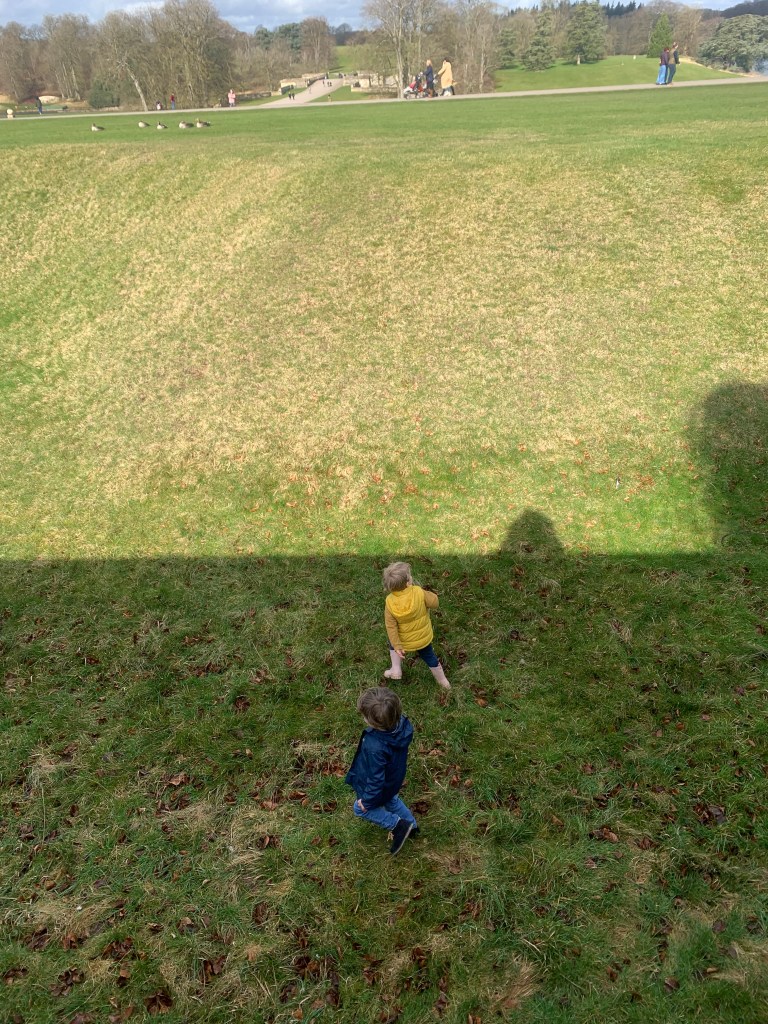
The boys playing in the ha-ha near Vanbrugh’s Grand Bridge. GG.

The marvellously flamboyant European Baroque style is rare in Britain, which I think is a shame. The rich, bright colours and the vividly painted ceilings can be stared at for hours. Dramatic central facades, large scale frescoes and the use of plaster or marble finishing and an enormous Grand Bridge with many large hidden rooms within are just a few examples of the opulence of the time. The Winter Palace in St Petersburg and the Palace of Versailles are other wonderful examples of this style. In England, however, it was not as popular and the Palladian style took over with the new Hanoverian influx with King George I’s arrival in 1714. As the palace was built as a monument to the Duke and his military achievements, the building contains many military symbols. One of the most famous symbols can be found on the roof above the south portico, a bust of the Duke’s rival and France’s King Louis XIV. The bust was stolen during a siege operation in Tournai, Belgium in 1709. Vanbrugh designed Blenheim to be best viewed from a distance, and I can confirm that it works beautifully, surrounded by a classic example of the English Landscape Garden style. The gardens were constructed at the same time as the Palace and the original South Lawn was originally an intricately designed formal garden. Famous landscape gardener Lancelot “Capability” Brown was hired to redesign the gardens, he started in 1763 and it was a 10-year job.

The Palace was well looked after for a few generations, despite the Marlboroughs not being rich compared to other ducal families in the country. They lived comfortably though, until the 5th Duke took his seat in 1817. He was a notorious spendthrift and drained the remainder of the family’s fortune. He had an interest in antiquities, especially books, and his extravagant spending meant he had to sell his collections and other houses to pay his debts. He moved to Blenheim (which was safe due to its being entailed) where he spent the rest of his life. His family were left with considerable financial problems following his death. By the time of the 7th Duke in the 1870s, the family had to sell most of the “Marlborough gems”, a collection of jewels that had been curated over the years by different Dukes. These sold at auction for £10,000 (just over £1,000,000 today) which was not enough to help bail him out. The 7th Duke was forced to petition to Parliament to allow a break of the protective entail so that the Palace and its contents could be up for wholesale. Many of the Palace’s prized possessions were sold and despite the huge sums of money they sold for it was still not enough to save the dukedom from financial ruin. The 7th Duke was the grandfather of Sir Winston Churchill, former British Prime Minister, the 8th Duke being his uncle.

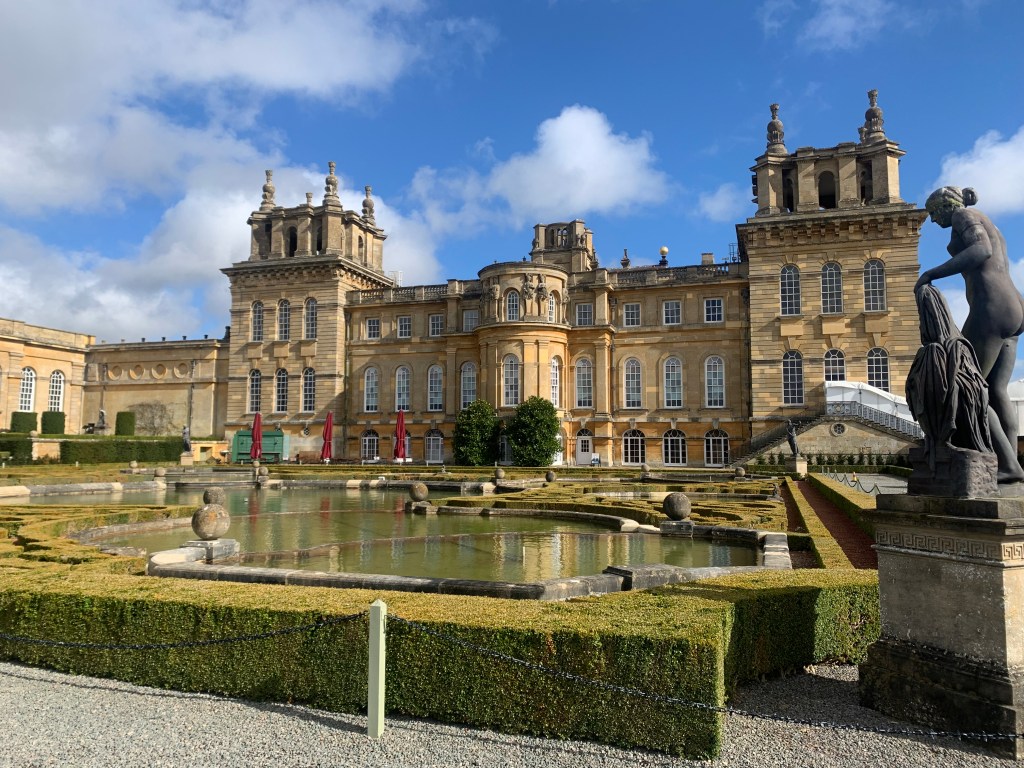
Water terraces, West side of the Palace. GG.

The 9th Duke inherited an all-but bankrupt estate in 1892 and is remembered as the Duke who saved Blenheim Palace. At the time, those in high aristocratic positions were not allowed to earn money for themselves, so he made the decision to marry an heiress. He looked across the Atlantic to America where business was booming and proposed marriage to railroad heiress Consuelo Vanderbilt. Her mother was extremely keen for her daughter to become a duchess, so Mr Vanderbilt went into lengthy negotiations with the Duke for the price of her dowry. In the end, they agreed upon £2,500,000 (£77,000,000 in today’s money) and were given a substantial annual income upon their marriage for life. The 9th Duke bought back the lost Marlborough gems and much of the artwork and restored Blenheim to its former glory. Consuelo was not a happy wife and shockingly divorced her husband in 1921, something seldom done in those days. The estate is now run by the 12th Duke who keeps the Palace and gardens open to the public.

South side of the Palace. GG.

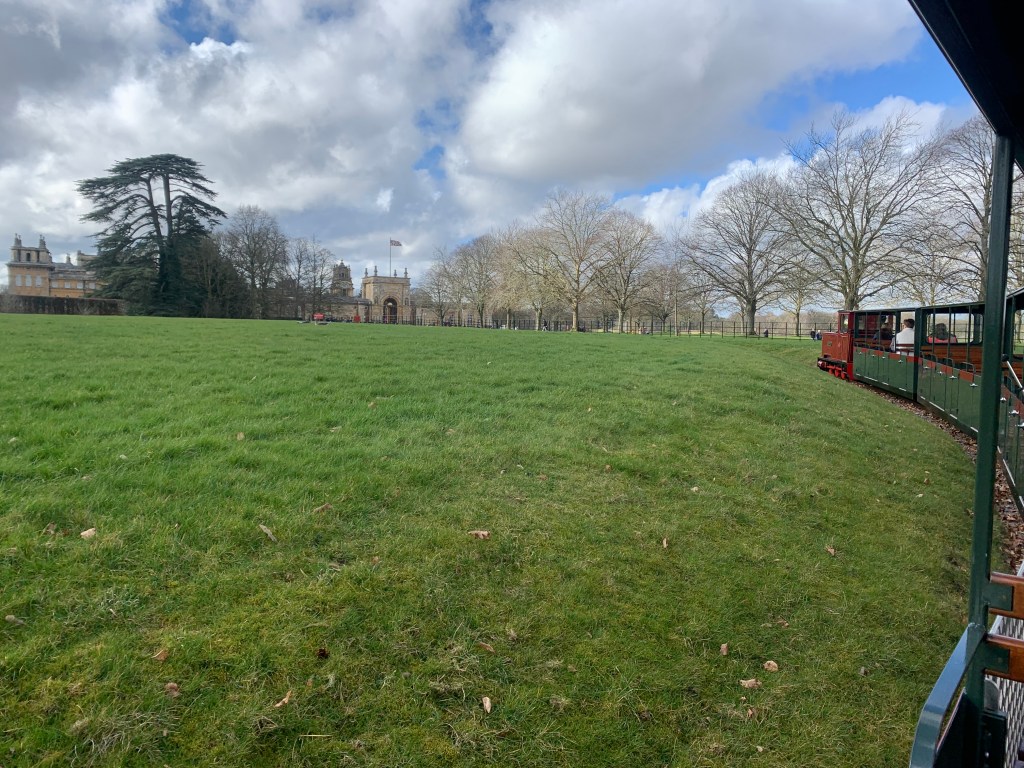
So, Is It Worth a Visit? Absolutely! As I mentioned we bought tickets just for the gardens, but we would happily pay the extra to see inside. The boys didn’t have a chance to get bored – the only thing we needed was a buggy as the walk around the grounds is longer than you think and their little legs got tired! I recommend walking the full loop, so heading to the water terraces on the West side of the Palace with stunning views. Then around to the South Lawn and past the Italian Garden on the East side, then all the way around to the Walled Garden, passing the Secret Garden en route. There are different routes you can take too so there is a lot of variation, including a path that takes you across the far side of the South Lawn that gives you an exquisite view of the South side of the Palace. Once through the Walled Garden (which is a lovely picnic spot) there is a playground with slides and swings, beyond is a huge adventure playground and nearby is a place to get some food and drink. All the way there were geese and ducks and secret hideouts and pathways to be found. We wanted to find the miniature train that runs from the Palace entrance to the Walled Garden. It took us a while to find as there weren’t any signs directing us to it, but we found it was through to the coach park and on the left. It’s £1 per grown-up and you can pay contactless. The train was a huge hit with the boys – it is only a short journey but its good fun and gets you back to the beginning after a long enough walk! A welcome helping hand!

The Miniature Train on its way to the Palace Station. GG.

We are very much looking forward to going again, and we will take a grandparent to watch Rory while we are inside nosing about! If you decide to go, then I hope you have a wonderful time. Thanks for reading our first instalment and keep a lookout for our next Is It Worth a Visit?

London History Day: Gilbert Tours’s Top 10

It is London History Day, which means Gilbert Tours has created a Top 10 List of what we think are the most Interesting Events in London History! From tyrannical kings, to the suffragettes, from blazing fires to ice cold winters – this list has it all. So to start our countdown to the number one spot, we kick off with a cold winter’s day…

10) The Thames Frost Fairs. Have you ever been walking along the bank of the River Thames to reach the nearest bridge and wondered if there was an easier way to get to the other side? Well between 1600 and 1814 it wasn’t uncommon for the river to freeze over. This could last for up to two months and was all down to what we now know as the “Little Ice Age”. Britain and much of the Northern Hemisphere were locked into this ice age and many rivers throughout Europe experienced similar “big freezes”. During these times Londoners, resilient as ever, made the most of the extra space and set up the Thames Frost Fair. The first recorded fair was during the winter of 1607/08 and Londoners from Southwark and The City set up shops, pubs, stalls and games on the thickened frozen river. Even Charles II was reportedly seen at the fair in 1677, enjoying a spit-roasted ox no less! The last fair to be recorded was during the winter of 1814/15 when the climate began to warm up. This was the biggest of all the recorded fairs lasting for fives days with thousands of people visiting each day.

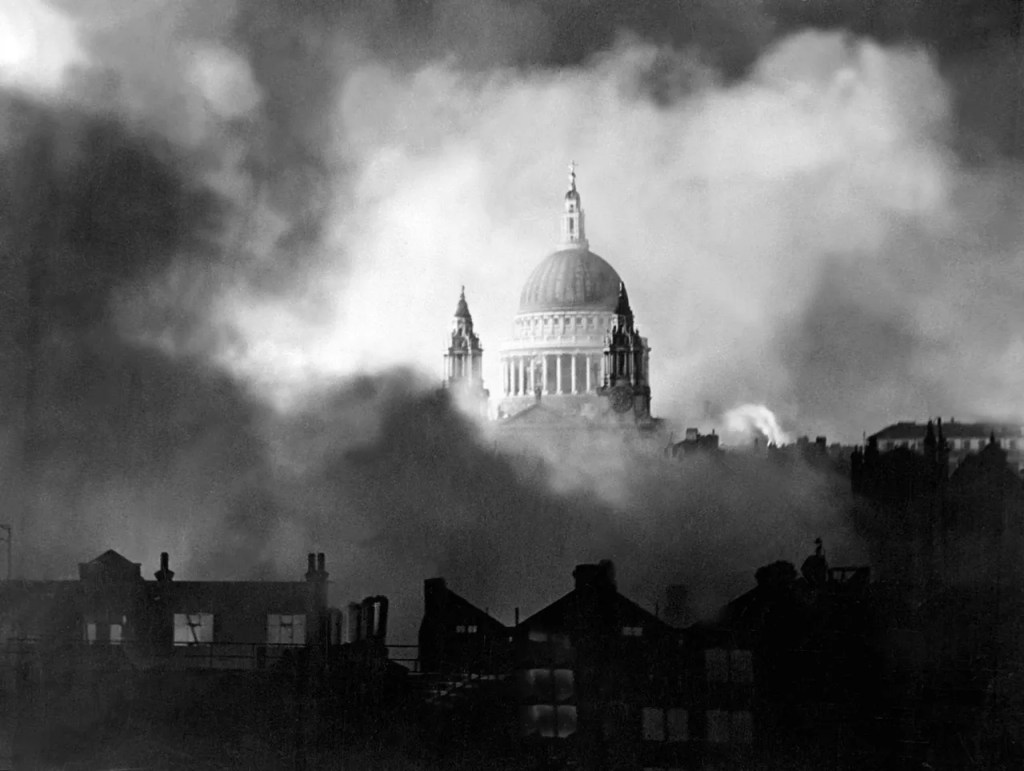
9) The Blitz. The bombing raids during WWII would significantly change the landscape of London. The city was subject to heavy bombing by the Germans from September 1940 and would last a total of 57 days. The city had to be rebuilt and many were rehoused in prefabricated homes. The word “prefab” is widely known in London as they were dwellings that could be built off-site and transferred directly to where they were needed. They were used in many parts of the UK but particularly London following the end of WWII. Council housing was then built throughout the city over the

following years. Due to the damage and devastation brought on by the bombings, Roman ruins were discovered under the rubble of which many can be seen around Central London and in the London Mithraeum.

8) The Bubonic Plague. The plague would come back to haunt Londoners over centuries, particularly from 1347-1665. Symptoms started with a fever and chills, followed by flu-like symptoms. This all sounds way too familiar these days, but the similarities (luckily enough for us) end there. The flu symptoms were then followed by cysts called “buboes” that covered the body and then would most often result in a quick death. The first wave of this disease, known as the Black Death, wiped out about half of the city’s population between 1347 and 1351. Nowadays the plague is extremely rare and treatable, but the lasting effects it had on London are long lasting. Many plague pits are scattered around the city, in particular the East End and even as far as the southern part of the Bakerloo Line heading to Elephant and Castle.

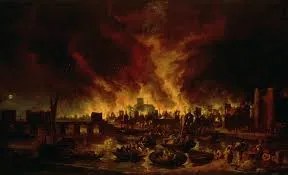
7) The Great Fire of London. In 1666 the loss of nearly 70% of the City of London was due to a fire that started in a bakery on Pudding Lane. The Monument stands at the spot where it began and it spread as far as the end of Fleet Street, stopping at Fetter Lane. In order to stop the spread, houses were demolished to create a barrier. This was done to help preserve the Tower of London that was very nearly damaged. The Medieval St Paul’s Cathedral was completely destroyed, as was most of the old Medieval city. Despite the devastation the fire caused, it killed off the rats and fleas responsible for spreading the plague. The overcrowded streets full of disease and squalor were levelled to the ground and a new city was built. Sir Christopher Wren was given the task of heading the workforce responsible for this rebuild and he had great ideas of creating a “grid-like” street system. This however did not come to fruition and many people rebuilt their houses exactly where they had been before, recreating the higgledy-piggledy narrow streets of the Medieval period that we can still see today. Wooden houses were replaced by brick to help keep the city from succumbing to a similar disaster in the future.

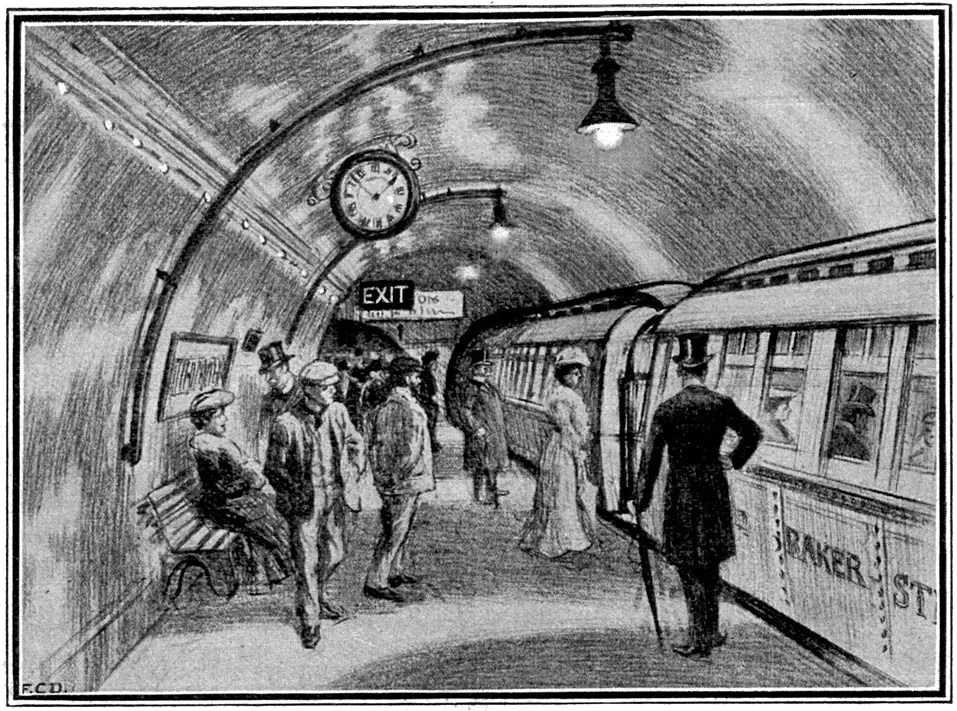
6) The London Underground. The world’s first underground railway system was created in 1863 in London. The Metropolitan Railway was built between what is now Paddington and Farringdon. It has now been developed so much that the London Underground boasts 11 different lines in an intricate network of below ground railways that cities around the world have copied. The Circle Line, opened in 1884 is still in operation today, making it the oldest line on the network.

5) The Empire Windrush. In 1948 the Empire Windrush brought British Citizens from the Caribbean to London which prompted a new way of describing “Britishness”. After WWII the British Government passed the British Nationality Act 1948, which granted the status of Citizen of the United Kingdom and Colonies to all British subjects. HMT Empire Windrush left Jamaica and arrived in London with hundreds of new British citizens. Unfortunately, they did not have any clue or expectation that their arrival would expose them to racially motivated abuse, violence and mistreatment. Racial tensions came to an all time high during the Notting Hill riots in 1958. It was here that the Caribbean community created a safe space in which to celebrate and share their culture and traditions. The Notting Hill Carnival still takes place in the summer every year and the celebrations are one of the most visited events in the London calendar.

4) Emily Wilding Davison Hides in a Broom Cupboard. On the eve of the 1911 census, suffragette and member of the WSPU, Emily Wilding Davison snuck into the Houses of Parliament and hid in a broom cupboard. At this time women were not allowed to cross the line from Westminster Hall into the Houses of Parliament. It was for men only. Therefore illegal for any woman to be there at any time. This is what makes Ms Davison’s idea so satisfyingly genius. As she was inside the building she was able to write on the census “Houses of Parliament” as her address. An epically brilliant idea that has gone down in history. Emily Wilding Davison was fatally wounded at the Epsom Derby in 1913. She ducked under the rail and with her suffragette colours of purple, green and white, she reached up to the reins of George V’s horse presumably to attach the colours, but was knocked down unconscious. The horse was travelling at a speed of nearly 35mph. She died a few days later having never regained consciousness. At her funeral her coffin inscribed with the words “Fight on. God will give the victory.” was followed by five thousand women wearing their suffragette colours followed by hundreds of male supporters.

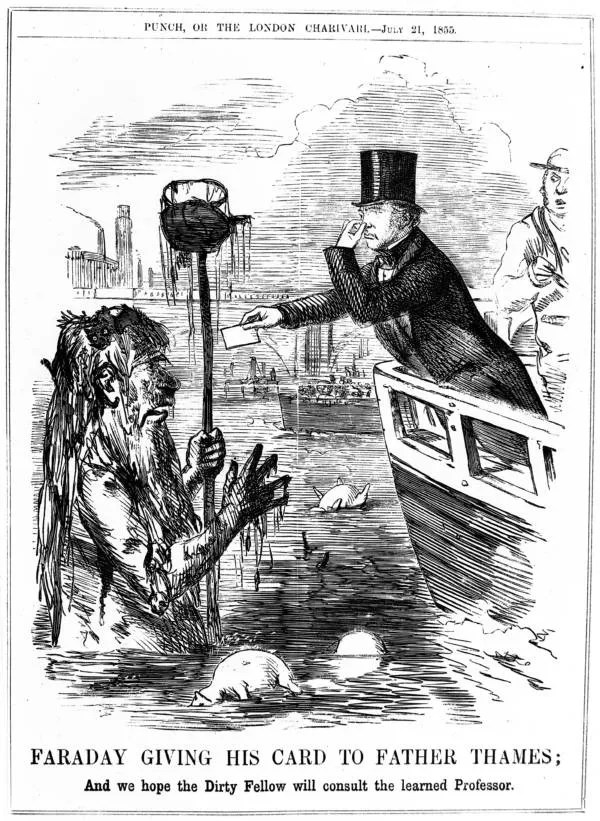
3) The Great Stink of 1858. This delightfully named event occurred in the summer of 1858. It was one of the hottest summers on record with temperatures rising to over 30 degrees centigrade. This heat exacerbated the conditions of the River Thames, at which point was no more than an open sewer, and disease was spreading throughout the city. Parliament were unable to sit due to the terrible stench and so they accepted a proposal made by civil engineer Joseph Bazalgette. He created a system of underground sewage pipes that run under the embankment and out to the drainage and pumping stations out of the city. We have a lot to thank Mr Bazalgette for, the hero of the hour!

2) The Tower of London. This one is not so much an event but a series of events in the Tower of London. Having been built in the time of William the Conqueror, it has seen nearly 1,000 years of Kings and Queens coming and going. I promised you tyrannical kings, and you can’t get much more tyrannical than Henry VIII. He signed the death warrants of many nobles who were executed within the walls of the Tower. He imprisoned two of his wives there and famously had their heads removed; Anne Boleyn and Catherine Howard. His daughter, the future Elizabeth I was also imprisoned there by her own sister Mary I before her ascent to the throne. Mary clearly inheriting her father’s core family values. The Tower has served as an armoury, a prison, a vault for the crown jewels, and a menagerie over the centuries and was where the famous Princes in the Tower went missing during the reign of Richard III. Many mysteries haunt this historical building, and if these walls could talk I’m not sure I would like to hear what they have to say!

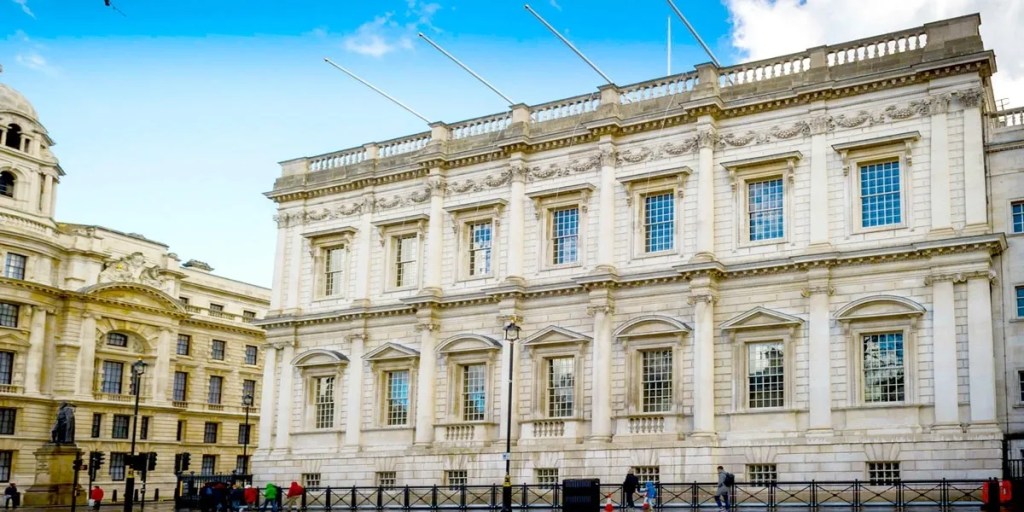
1) Charles I’s Trial and Execution. Another tyrannical king, Charles I hits my top spot in this list as never before or since has a British monarch been tried for treason and subsequently executed. Following the English Civil War, Charles I was imprisoned and brought to trial in London in 1649. He faced trial in Westminster Hall and being a king who believed he was ordained by God to rule his kingdom, he did not accept any higher authority and refused to give any defence. The country was in turmoil following years of opposing sides fighting each other. The Parliamentarians versus the Royalists, or as they are more widely known; The Roundheads and the Cavaliers. Once defeated, Charles was charged with committing treason for waging war against his own people. The country was angry and they wanted justice, but no more than the leader of the Parliamentarians and later Lord Protector, Oliver Cromwell. Ever the pantomime villain, Cromwell didn’t stop until he got the result he so desperately wanted. On the third day of the trial, Charles was brought in to hear that he was found guilty of treason and sentenced to death. Cromwell encouraged 59 men to sign Charles’s death warrant, something that I believe was not an easy thing to do; to sign the death warrant of the anointed King of England. On the 30th of January 1649, Charles I was taken from St James’s Palace to Whitehall where a scaffold had been built outside Banqueting House. It was a cold day and Charles requested a second shirt to stop him from shivering, concerned the public would view it as weakness. He was led to the scaffold and before he knelt down to the block he said “I shall go from a corruptible to and incorruptible Crown, where no disturbance can be.” There were many members of the public to watch the execution that day, one of whom was diarist Phillip Henry who wrote that he heard a moan “as I have never heard before, and desire I may never hear again” from the crowd, many of whom dipped their handkerchiefs in the blood as a memento. Charles I was denied a burial at Westminster Abbey and instead lies alongside Henry VIII and his third wife Jane Seymour in St George’s Chapel, Windsor.

It has been great fun researching these events and I hope you have found them as interesting as I have! If you would like to book a tour with us then please head to the website and go to our bookings page, tours can be booked from June 21st onwards! Until next time, have a wonderful week and check out Gilbert Tours on social media for more information and uploads!

Valentine’s Day 2021

It’s the 14th of February and around the world singles, couples and throuples alike are celebrating Valentine’s Day in one way or another – even if that means ignoring it entirely! So today I would like to delve into the history of this day of love and explore the origins of the name and date.

The day itself is named after Saint Valentine, an elusive character in history as there are many conflicting stories surrounding him. The Roman Catholic Church still recognises St. Valentine to be a saint of the church, but he was removed from the Roman Calendar in 1969 as there was not enough reliable information about him. St. Valentine is the patron saint not just of lovers but also epileptics and beekeepers. During my research, I have found that some sources believe that St. Valentine was a Roman priest and physician who was martyred during the persecution of the Christians by emperor Claudius II Gothicus in around 270AD. It is said he was buried on the Via Flaminia in Rome on February the 14th, a day that has been observed as the Feast of St. Valentine (St. Valentine’s Day) since 496AD to commemorate his martyrdom. Other sources suggest that he was the Bishop of Terni in Italy who again was martyred in Rome and moved to Terni along with his relics to be buried. These two stories could indeed be about the same person but have been lost in translation over the centuries. 

One story which seems to set up the idea of Valentine’s cards is the legend in which St.Valentine signed a letter whilst he was in jail before his martyrdom “from your Valentine”. He was writing to his jailer’s daughter, a girl he had become friends with (and apparently healed her blindness) during his time there. Another legend suggests he would marry couples in secret and without the emperor’s consent in order to save the husbands from having to go to war. 

Relics of St. Valentine were kept in the Church and Catacombs of San Valentino in Rome which was a popular site for pilgrims to visit throughout the Medieval period. This was until these relics were taken to the church of Santa Prassede during Pope Nicholas IV’s rule in the 13th Century. Adorned in flowers, his skull is exhibited in the Basilica of Santa Maria in Cosmedin in Rome. If you have seen the 1953 film Roman Holiday then you would recognise this church. It was used to film a scene in which “Joe” (Gregory Peck) shocks and horrifies “Anya” (Audrey Hepburn) by putting his hand in the mouth of the Bocca della Verita and pretending to lose it. Other relics of St. Valentine were also sent to Whitefriar Street Carmelite Church in Dublin where they can be found today. The church is another popular site for pilgrims to visit on Valentine’s Day for those who are looking for love. 

During the Medieval period it was said that birds paired up in mid-February which in turn was associated with the romance of Valentine. Despite there being so many differing stories and opinions, Valentine’s Day is widely celebrated as a day for romance and devotion. However, the day also shares history with the Pagan Roman celebration called “Lupercalia”. This is where, in celebration, blood was smeared on the heads of the people as they ran through their villages in wolf-skins. Not much to do with love and devotion at this point, but the idea was that it would get rid of any lurking evil spirits and welcome in spirits of health and fertility. The famous writer Geoffrey Chaucer wrote a poem in the 14th century which appears to contain one of the earliest references to the idea that Valentine’s Day was a day for lovers. In the poem, Parlement of Foules, Chaucer writes about a flock of birds who are choosing their mates on St. Valentine’s Day. 

The British Library in London is in possession of the oldest known written valentine. It is a poem written in French in 1415 by Charles, Duke D’Orleans to his wife. He wrote it whilst imprisoned in the Tower of London. The British Library is also where you can find the earliest surviving valentine written by a woman. The poem is written in the English language by Margery Brews to her fiancé in 1477. However, the majority of surviving valentines are from the Victorian era, a time where the idea of St. Valentine’s Day cards really took off. These cards were handmade and often were accompanied by a posy of flowers. Flowers were themselves one of the languages of love, many women kept a book of floriography, or the language of flowers, in their houses so they were able to look up what their posy meant. This would mean, of course, that men had to be abreast of the language of flowers so as not to make a mistake!

Nowadays we are faced with a wall of mass-produced Valentine’s Day cards in every supermarket almost as soon as Christmas is over. It is very commercialised and many people do not celebrate it in the new “modern way”. It has always made me rather sad that you only received cards and gifts from a love interest, in school that was how it worked. I of course joked about having to wade through the enormous pile of cards when I got home, I probably would have had trouble opening the front door for the weight of them. The reality was I never got one my whole life, until I met some of the best friends I’ve got when living in Dublin. Long story short, I got dumped the week before Valentine’s Day so we decided to throw an “Anti-Valentine’s” Day where we all sat around a big table and made dinner and drank wine and sang songs. It was fabulous. The tradition continued when a few of us moved to London and it became “Palentine’s Day”. When I met my now-husband, he once, about 5 years into us being together, gave me his button-hole from a gig he had been playing at. I still have it, a pink rose pressed into my Complete Works of Shakespeare. For me, its not about the big romantic gestures, but the small ones. The messages of love from an old friend or the Valentine’s card you get from your Mum when you’re miles away from home. However you like to celebrate this day I hope you enjoy, it’s more important than ever to tell those you love what you feel for them. 

Until next time, I send my love to you. 

History for Lockdown: An Oxford Special

It has been a long time since my last blog post, so for those of you who are signed up to the mailing list I thank you for your continued support, and to those of you who have just joined then welcome! As we all know, 2020 was a very trying year, but I am determined to start afresh this new year and bring you some long awaited content to keep you informed and entertained this lockdown. So without further ado, here is History for Lockdown 2021.

As you know, I am a London Tour Guide and I am really looking forward to delving deeper into the many boroughs London has. Today, however, I have decided to travel up the M40 to Oxford. Not literally of course. I made the decision to do this because of the recent approval and roll out of the new Oxford/AstraZeneca vaccine. I think it is only fitting to write about the university, where it all started and how it has led to creating the second Covid-19 vaccine to be approved in the UK.

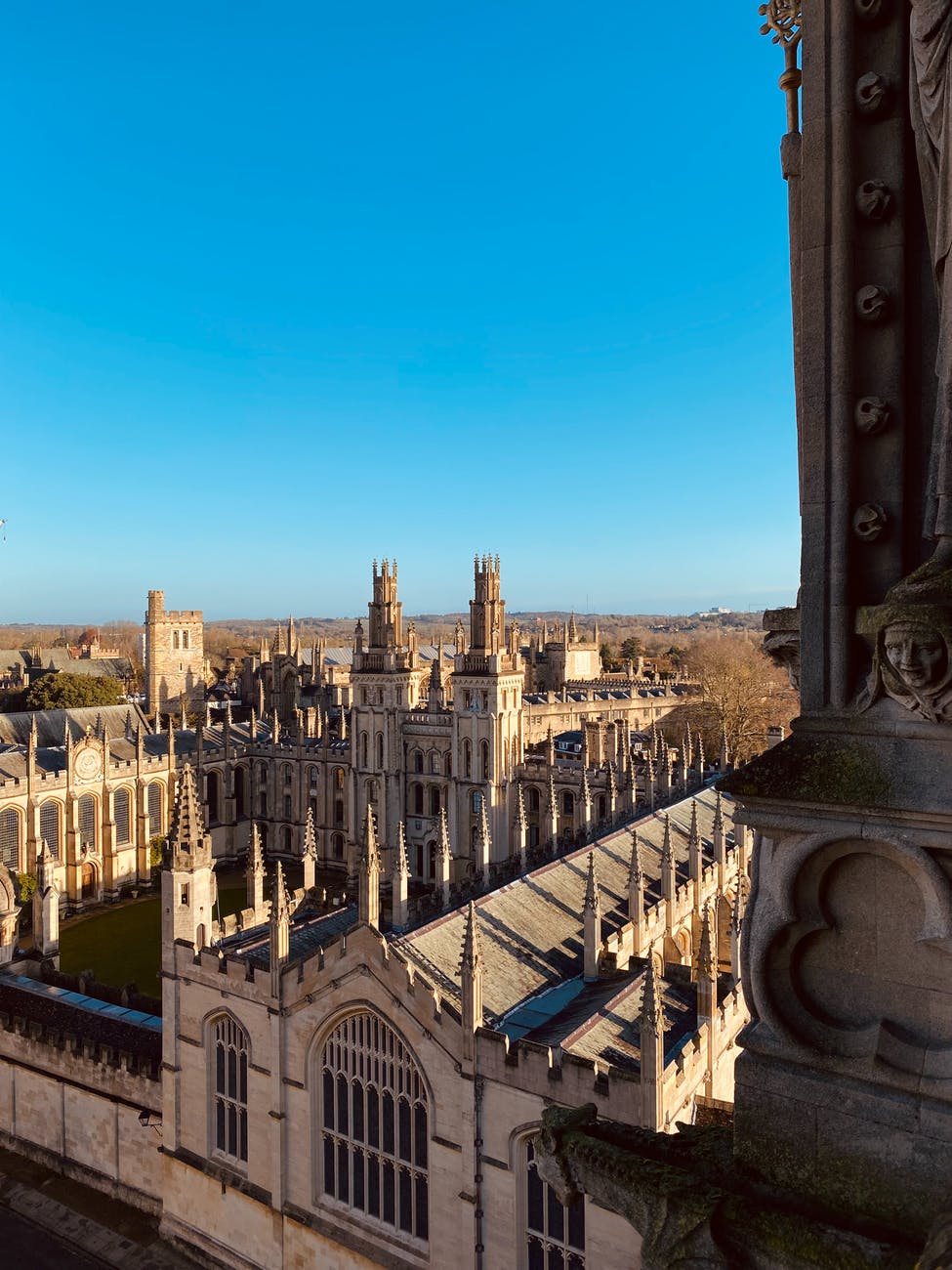
The University of Oxford is always held in very high esteem, and for good reason. Oxford is the oldest university in the English-speaking world and is one of the most prestigious academic institutions. Despite the university having no known foundation date, there is evidence that Oxford has been a place of teaching and learning since as early as 1096. The student body grew in number rapidly after Henry II banned English students from studying at the University of Paris in 1167. During 1209 there were disputes between the townsfolk of Oxford and the scholars. To avoid being embroiled in the violence some scholars fled to Cambridge, thus establishing the university there. These two ancient universities share many similarities and are often together known as “Oxbridge”.

Students at the university would associate together on the basis of where they were from and were split into “nations” that represented the North (including those from north of the River Trent in England and those from Scotland) and the South (including those from south of the Trent, those from Ireland and from Wales). Much later, centuries later, where you were from often influenced which college or hall you would become a member of. As well as this many religious orders such as the Dominicans, Augustinians and Franciscans settled in Oxford in the mid 13th century and maintained the colleges and halls for the students. Alongside this there were private benefactors who established and founded colleges that became communities for the students and scholars who lived there. 

The earliest colleges founded were University College, founded by William of Durham in 1249 and Balliol College, founded in 1263 by John I de Balliol. Balliol College is not only one of the oldest colleges in the English-speaking world, but the oldest college to be co-founded by a woman. Following the death of de Balliol in 1268, his widow, Dervorguilla of Galloway, ensured the permanence of the college by providing the necessary funds. Merton College was founded in 1264 by Walter de Merton, a former Lord Chancellor and the Bishop of Rochester. Merton College became the model for the college life we would be familiar with today. Rather than students living in halls or in religious accommodation, the colleges were now communities in which students would live and study. All three of these colleges claim to be the oldest, and there are compelling arguments for each. I invite you to dig out some of these and see which argument wins it for you!

The 16th century brought with it the English Reformation and the split from the Roman Catholic Church. The scholars who refused to convert to the Anglican Church fled to Europe and the method of teaching at Oxford changed from the medieval scholastic approach to Renaissance education, marking the new age of modernity. During this time the university’s reputation for teaching and learning declined. The Age of Enlightenment brought less students to study and teaching was neglected. From the start of the reformation until 1866, it was a requirement when enrolling to be a member of the Anglican Church in order to receive the BA degree and those who objected to this church or belonged to another were only allowed to receive an MA from 1871. 

During the English Civil War, the university was a centre for the Royalist party and became the headquarters for the King’s troops. The city, however, was sympathetic to the Parliamentarian cause. A military campaign against the Royalist party who was controlling the city of Oxford was waged and there were three short engagements over a 25-month period. This is known as the Siege of Oxford. The first engagement took place in May 1644 in which there was a plan to capture Oxford and the King, however this was unsuccessful. Charles I managed to escape in the night and therefore prevented the Parliamentarian side to siege. The second engagement was in May 1645 and as soon as it had begun, Sir Thomas Fairfax, the Parliamentary Commander in Chief, was given orders to stop and follow the King to Naseby. The last siege was in May 1646 and lasted two months. However at this point the war was already over and so rather than fighting, negotiations began. Given that neither sides wanted to see Oxford too damaged, Sir Thomas Fairfax stopped the siege without any further escalation. 

In the 1650s, Wadham College became the undergraduate home of Sir Christopher Wren, celebrated architect who had the mammoth task of rebuilding the City of London (including St Paul’s Cathedral) following the Great Fire of London. 

It wasn’t until 1875 that the university passed a statute allowing examinations for women. In 1878 the Association for the Education of Women was formed and set to work on campaigning for the creation of a women’s college. The members of the association did not entirely agree on how to proceed, for instance Edward Stuart Talbot, a successful Anglican bishop, insisted that the new college should be an exclusively Anglican institution, however his colleague in the association, T.H.Green, disagreed. They ended up splitting from the association and Talbot founded Lady Margaret’s Hall in 1878 and Green founded Somerville College (a non denominational college) in 1879. Women who joined the colleges began attending lectures above an Oxford baker’s shop. A further 25 students were living at home, a group that turned into the Society of Oxford Home Students and in 1952 it evolved into St Anne’s College. 

These were followed by St Hugh’s, St Hilda’s and all became coeducational starting with Lady Margaret’s Hall and St Anne’s in 1979. St Hilda’s was the final college to become coeducational, accepting its first male students in 2008. Oxford has, and to an extent still does, bare the perception that it is an institution sticking to the idea of male privilege. Particularly white male privilege. The First World War helped to adjust that idea with the integration of women pushing ever forward. In 1916 women were accepted as medical students on the same level as men, and in 1917 the university accepted responsibility to pay women’s exam fees. It was in 1920 that women were given the right to actually earn their degrees. Up until this point they were allowed to do all the study, some finishing top of their class, but not allowed to receive their formal qualification. A fact that makes the modern woman of 2021’s head explode. From the 1970’s onwards the previously all male college began to accept female students, and it was in 2016 that it was recorded that 47% of undergraduate students were female.

Today, Oxford is one of the leading research universities with the medical school taking first place in the “Clinical, Pre-Clinical and Health” table in the Time’s Higher Education World University Rankings for the last seven years running. Oxford has been the place of study for many famous scientists including Nobel Prize winner Dorothy Hodgkin, Stephen Hawking and Edwin Hubble. The university is associated with eleven winners of the Nobel Prize in Chemistry, five in Physics and sixteen in Medicine. It doesn’t take an Oxford genius to see why the Covid-19 vaccine was so quickly produced!

I hope you have enjoyed my history of the University of Oxford. Next time I will be back in London (although I physically haven’t left in months) enlightening you with more History for Lockdown! 

Eltham Palace

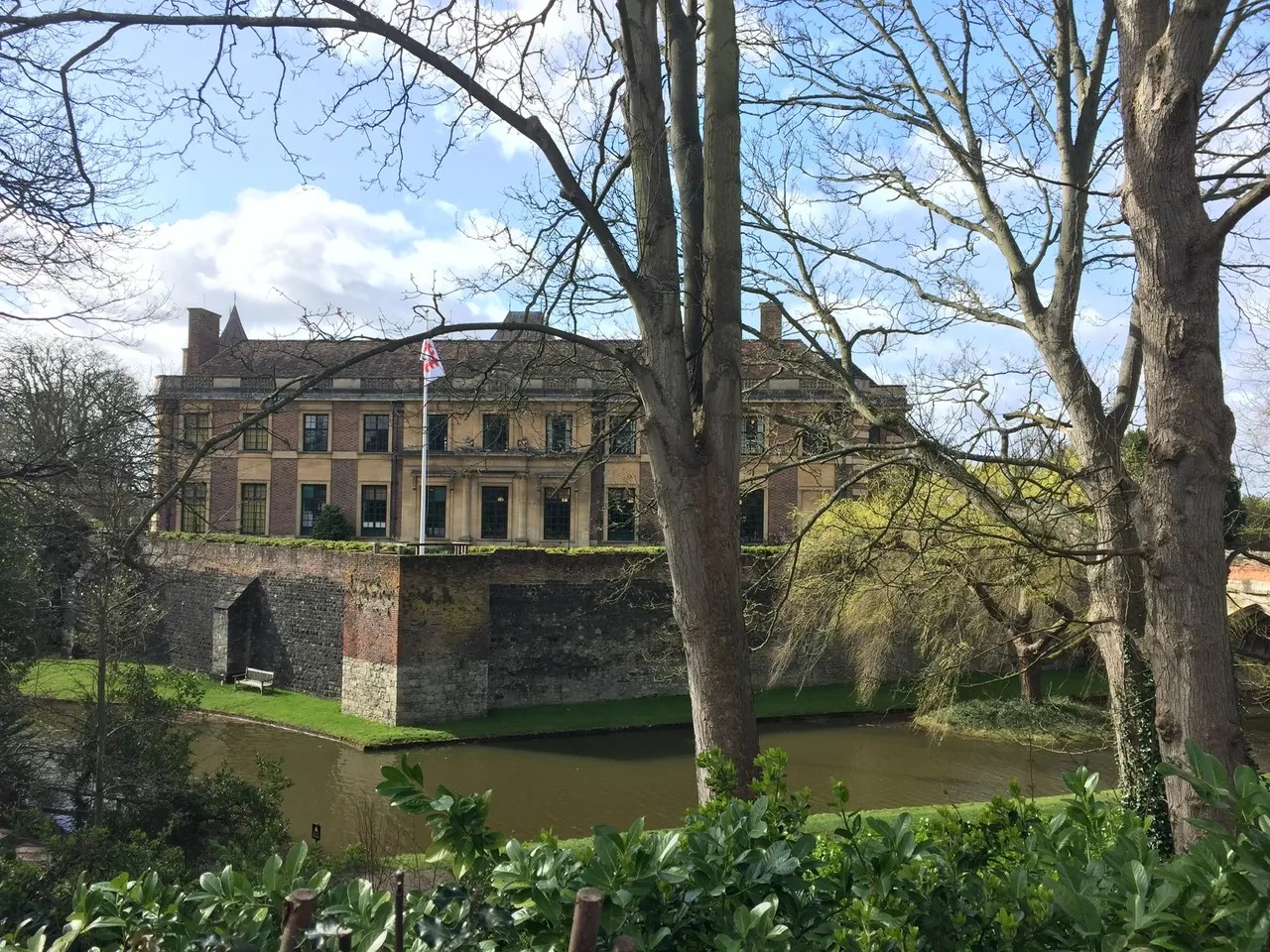
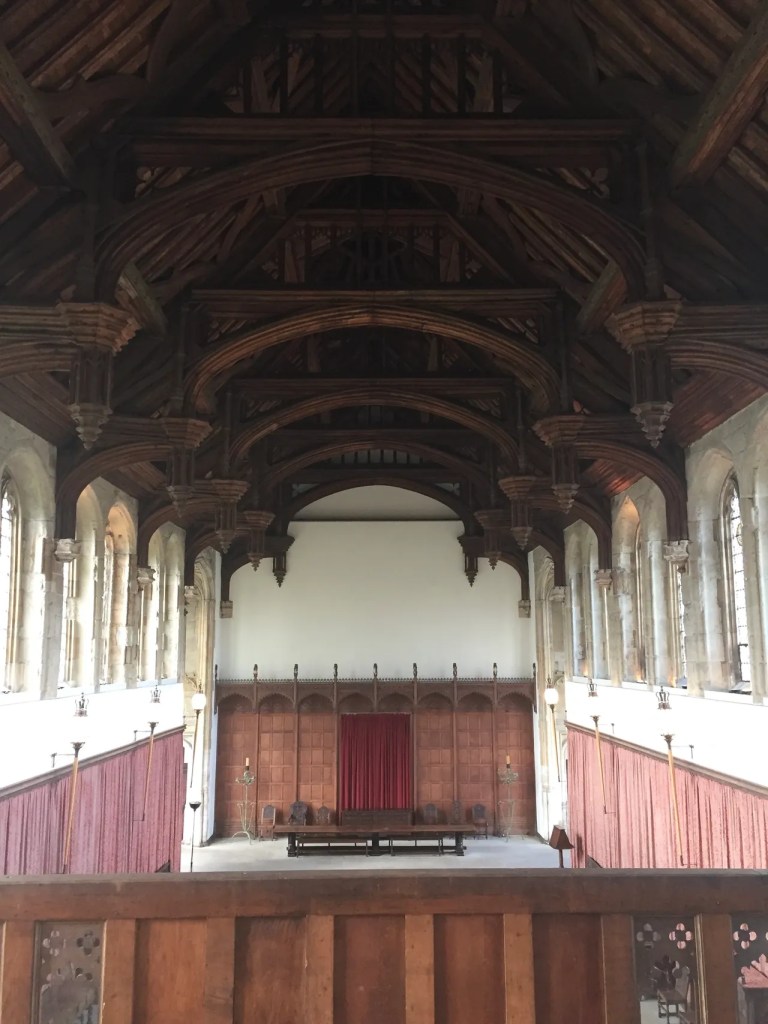
Eltham Palace is a short drive from where I live and I am so lucky to have such a wonderful place so near. The palace is now so beautifully Art Deco that it is easy to forget that its history goes back to 1300. Given to Edward II in 1305, Eltham Palace was used as a royal residence for two centuries, being home to one or two of our most famous and controversial monarchs. It was the favourite palace of Henry IV and it was where he hosted Manuel II Palaiologos, the only Byzantine Emperor to visit England, in 1400. There was a tremendous joust given in his honour on the tilt yard which still exists today. Home to the surviving Great Hall, Eltham Palace has been host to many royal banquets and events, Prince Henry – later to become Henry VIII – would have been in attendance at many as it was here where he grew up. The Tudors liked to hold Christmas here, as it was a secluded place with plenty of surrounding land for hunting. 

Despite still belonging to them, Eltham Palace was no longer used by the royals by the 1630s and Sir Anthony van Dyck (Flemish Baroque artist) was given a section of the building to use as his private country retreat. The English Civil War saw the palace change forever. The woodland and parks surrounding it were destroyed and the palace and the chapel were in ruins by 1656. Charles II bestowed what was left to John Shaw; the Great Hall, the former buttery and a bridge across the moat. It remained in the Shaw family until the 1890s. 

The present palace was built in the 1930s and so began the joyful rejuvenation of a once much-loved royal residence. 1933 saw Stephen Courtauld, an English philanthropist, and his wife Virginia “Ginie” acquire a 99 year lease on Eltham Palace. They hired Seely & Paget (architects who would go on to restore bomb-damaged buildings as famous as Westminster Abbey following WWII) to restore the Great Hall and build a family home attached to it. The design of the main house was inspired by the work Sir Christopher Wren had produced at Hampton Court Palace. The interiors were decorated in the Art Deco style and Swedish designer Rolf Engstromer created the wonderfully dramatic domed Entrance Hall that is hard to forget once seen. If you are a Poirot fan, you may recognise this hall from one or two episodes. Brother of art collector Samuel Courtauld, Stephen had many beautiful paintings installed. There are a few original Turners in his office. Quite exquisite! The Courtaulds were keen gardeners and enjoyed having family around them, they redesigned the gardens and would enjoy them along with family and their beloved dogs. The palace was given to the Royal Army Educational Corps in 1945 and the Courtauld family moved to Scotland.

English Heritage took management of Eltham Palace in the 1990s and made some much needed repairs and restored it to its Art Deco glory. The palace and gardens are open to the public and you can experience the pleasure of exploring a 1930s home and then walking into a Medieval banqueting hall. It’s an extremely special building that means a lot to local people, having this gem on our doorstep is a real treat. I took a couple of photographs when I was visiting with my mother so I have included them here. I was 8 months pregnant and very uncomfortable, but slowly waddling around made it possible for me to take all the history in.

Thank you for reading, and as always until next time, stay safe and well. 

London Laws for Lockdown Laughs

ve decided to do some a little different for this blog entry. I’ve been focussing on different areas of London, and will continue to do so, but I thought it would be fun to do some digging and find out what is still technically illegal and what ancient laws still exist today. Did you know, for instance, that it is illegal to be drunk in a pub in England? Or that it is illegal to carry a plank, or indeed a ladder, wheel, pole, placard or hoop along the pavement in the Metropolitan Police District?

The 1872 Licensing Act basically states that it is illegal to be drunk in any pub, it states “Every person found drunk in any highway or other public premises, shall be liable to a penalty.” It’s a difficult one this, seeing as it is the purpose of a pub to sell alcoholic drinks to people who want to buy them, therefore making them drunk. It was written into the act to encourage people to drink less, the idea that they would roll out of the pub unable to stand would lead to a night in the police station and therefore give them a reason not to drink so much. Nowadays it is unlikely that we would be arrested for having one-too-many at our local pub quiz, an arrest would come from someone presenting as “drunk and disorderly.” There is another part of the 1872 Licensing Act that amused me. It states “Every person…who is drunk while in charge on any highway or other public place of any carriage, horse, cattle, steam engine…shall be liable to a penalty not exceeding forty shillings…or to imprisonment.” Yes, it is illegal to be dunk in charge of cattle. Or a steam train. So that should be a lesson to us all, no herding livestock when intoxicated.

Which leads me to my next strange law. It is perfectly legal for anyone who holds the key to the City of London to herd sheep across London Bridge. This privilege is also known as the Freedom of the City which is an honour bestowed upon a valued member of the community, dignitary or visiting celebrity. Since Medieval times sheep farmers have been able to herd their sheep across London Bridge to sell their wool in the markets of the City of London. It is now a ceremonial spectacle as there are no more markets and therefore no need to use the bridge, but it is quite a sight when the Worshipful Company of Woolmen livery company drive their sheep across London Bridge to raise funds for the Lord Mayor’s Appeal.

London has a number of other laws which include the 19th century law banning the beating of carpets after 8am on the streets; a Transport for London rule that prevents people from queue-jumping in tube stations (well that’s on that is really enforced. NOT.); The Metropolitan Police Act 1989 that bans the “making or using a slide upon ice or snow in any street or thoroughfare if it creates common danger to your fellow Londoners”; the same act also bans games or flying kites which gives London a bit of a “tow-from-Footloose” feel. Do you remember being able to feed the pigeons in Trafalgar Square? Do you know who to thank for the law banning this activity? Former Labour Mayor of London Ken Livingstone. An odd law, but compared to the others I have written about so far its quite reasonable, that forbids the feeding of the birds he deemed “rats with wings”. To keep the pigeons away from the square, a hawk is sent flying in the surrounding area.

Contrary to popular belief, MPs can indeed get into trouble. It is illegal to wear a suit of armour in Parliament. The Bearing of Armour Act dates back to 1313 when Edward II to prevent nobles from threatening to use force when parliament was called. The full name of the act is “A Statute Forbidding the Bearing of Armour (1313). I’d quite like to see them try and sit down in a full suit of armour in those small seats in the back benches. Might shake things up a bit.

This has been a fun topic to research, and I will leave you with my favourite laws: it is illegal to handle a salmon in suspicious circumstances. This sounds like its from the Middle Ages but in actual fact it is from the Salmon Act 1986 to try to curb salmon poaching. I’ll leave it to you to decide whether someone is holding a salmon suspiciously.

Thanks for visiting my blog, I’ll be back soon with more facts from the next London borough, and until then, as always, stay safe and well.

History for Lockdown: Lewisham & Blackheath

Hello everyone, and thank you for being patient since my last post. I have been working hard gathering information and sorting it all out so that I can get the best bits to you! It has also been a big month so far, my nephew and my son both turned one (yes, my brother and I had baby boys within 2 days of each other – what are the odds?!) and despite quarantine we had a lovely weekend. My nephew lives in Somerset, with his parents of course, and so does my mum so having a birthday party via Zoom was an interesting one! We also did the same for Rory and shared the day with as much virtual family as we could! I’m sure lots of you have had birthdays during this current situation – if you have, many happy returns!

Today’s blog is all about Lewisham and Blackheath. Beginning, as always, at the beginning lets get started. Lewisham borough sits nestled in amongst Bromley, Southwark and Greenwich and reaches as far as the River Thames. It is not as big as Bromley borough but has a very rich and interesting history nonetheless. Lewisham was once called “Levesham” which means “the dwelling amongst the meadows” in Anglo-Saxon. (That is, “leswe” meaning meadows and “ham” meaning dwelling.) Bede wrote in his work The Ecclesiastical History of the English People in about 731AD, and wrote how it was the Jutes (Germanic people) that settled in this part of the country but specifically near St. Mary’s Church in Ladywell. The Jute Chieftain surveyed the land upon arriving and then burnt his boat to signify his decision to settle. Ladywell, incidentally, gets its name from the original medicinal well called “Our Lady’s Well” after the Virgin Mary, which was found near to Ladywell Fields. (You can find the spot where the Le Delice Café is.)

In the 9th Century King Alfred was Lord of the Manor, a plaque commemorates this in Lewisham Library. The Manor of Lewisham, with Greenwich and Combe attached, was given by King Alfred’s niece to the abbey of St. Peter at Ghent in Belgium in around 900AD. It then became a priory and was kept in possession like this until the early 15th Century when Henry V seized the Manor from Ghent and gave it to the prior and convent of Shene now called Richmond.

We now jump forward to the 17th Century when the Vicar of Lewisham, named Abraham Colfe, founded Colfe’s School and six alms-houses. In the 18th Century Baron Dartmouth came into possession of the borough and his son became Viscount Lewisham and Earl of Dartmouth by order of Queen Anne in 1711. His grandson, Lord Dartmouth, obtained the privilege of holding a fair twice a year and a market twice a week on Blackheath. However in 1772 it was discontinued, apart from the sale of cattle of course.

Lewisham was part of the county of Kent until 1889 and then became part of the Metropolitan Borough of Lewisham in until 1965 when it then became the London Borough of Lewisham that we know today.

Originally the town would have been most busy and popular at the southern end, where the University Hospital now stands. However in 1849 the North Kent Railway extended to Lewisham and so the town then spread north towards the new railway station. In 1944 the town centre was struck by a V-1 flying bomb that destroyed the high street. It was fully rebuilt in the 1950s but the devastating event has been memorialised with a plaque outside Lewisham Shopping Centre. 1955 saw the arrival of the largest self-service supermarket in Europe when Sainsbury’s opened a store in Lewisham. The land it was built on was used for the building of the shopping centre in 1977 so the present Sainsbury’s is much smaller than the original. There are landmarks in Lewisham that you would know if you live or work in the area. The clock tower, finished in 1900 to celebrate Queen Victoria’s Diamond Jubilee in 1897; the daily market in the pedestrianised portion of the High Street and the police station, built in 2004 and is now the largest station in Europe.

Travelling up the road to Blackheath we find a large expanse of green on top of a hill. Contrary to popular belief, Blackheath gets its name from the dark colour of the soil and not that it was a burial ground for victims of the Black Death in the 1340s. The heath itself looked a much darker colour than the fields surrounding it overlooking the Thames. The name “Blackheath” was recorded as early as the 11th century. A long time before the name was recorded, the heath was an important area in which to muster military or rebel gatherings. The Romans first built their road between Dover and London across the heath (now the A2) which was later known as Watling Street. The high ground overlooks The City of London so it is a perfect vantage point. It was also where Wat Tyler’s Peasant’s Revolt gathered before marching on London in 1381, where unfortunately their anti-tax poll fight was lost.

Similarly, in 1450, Jack Cade led 20,000 men from Kent to Blackheath to oppose the higher taxes being imposed by Henry VI. Then again in 1497 an army of Cornishmen who were angry at being taxed for a Scottish war fought in the Battle of Blackheath. It is said the 2,000 slain men were buried in and around Blackheath with Whitefield Mount being the main burial ground. This was the only battle to have been fought on Blackheath. The heath has also been a place where military parades and training took place, particularly during the times of the Napoleonic Wars. Blackheath has also been a place of more peaceful gatherings and events. When Charles II was restored to the throne in 1660, he made his way through the area, greeting welcoming crowds. Famous highwayman Dick Turpin was known to frequent the area, it was reported in the newspaper in 1735 to warn travellers.

Many monarchs passed through Blackheath and would often meet distinguished guests there. Many senior courtiers resided in the area and in Greenwich. Before the Tudor Greenwich Palace was built, and the Stuart-built Queen’s House was in existence, the 14th century Eltham Palace was used as a residence. (More on Eltham Palace in a separate post.) On the north side of the heath stands Ranger’s House which is a Georgian mansion built in the Palladian style. It backs onto Greenwich Park and is associated with the Ranger of the park. The Ranger of Greenwich park was a Royal appointment and the house was the official residence for most of the 19th century. Since 2002, Ranger’s House has been the home of the Wernher Collection of art. Montagu House was a neighbouring building to Ranger’s House and was demolished in 1815. It was the residence of Caroline of Brunswick, George IV’s wife. Another beautiful home is the Pagoda, built in 1760 in the traditional Chinese style, it was leased to the Prince Regent (later George IV) and was used as a summer home by his wife.

Blackheath Park was developed into opulent homes for the upper middle class and forms the south east area. In the late 18th and early 19th centuries it was built up and contains large Georgian and Victorian houses. Morden College, built in 1695 is a beautiful building in the north area and overlooks the heath. Blackheath is so worth an explore, finding these lovely houses that outline the heath, imagining the carriages riding through or the ladies with enormous dresses and parasols watching the military parades. Now is the perfect time (if you live near enough) to explore and to use your imagination. Just like everywhere around London, it holds so much history – and probably quite a few secrets too!

Thank you so much for reading, and I hope you will enjoy the next instalment of History for Lockdown which will be all about Eltham Palace!

Until then, as always, stay safe and well x